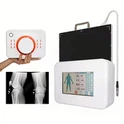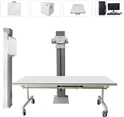


The domain of medical diagnostics has been profoundly transformed by the advent of X-ray technology. Over the decades, this technology has evolved significantly, paving the way for innovative and portable solutions that have revolutionized the accessibility and convenience of diagnostic imaging. Portable X-ray machines have become increasingly vital in modern healthcare, particularly for patients with limited mobility or those situated far from medical centers. This comprehensive guide explores the spectrum of portable X-ray equipment, highlighting their distinctive types, specific applications, and the advancements that have enhanced their utility.
The Evolution of Portable X-Ray Technology
Portable X-ray technology has its roots in the quest for more accessible medical imaging solutions. Traditional X-ray machines, while powerful, were often bulky and immobile, restricting their use to well-equipped hospitals and diagnostic centers. The development of portable X-ray devices has addressed these limitations by offering compact, versatile, and user-friendly alternatives that can be used in a variety of settings, from bedside diagnostics to remote medical camps.
The main drivers behind the evolution of portable X-ray machines include advancements in digital imaging, battery technology, and materials science, which have collectively contributed to the development of lightweight, durable, and efficient devices. These innovations have not only enhanced the quality of diagnostic images but also improved the overall patient experience by enabling quicker and more comfortable assessments.
Types of Portable X-Ray Equipment
Portable X-ray machines come in several forms, each tailored to meet specific medical needs and use cases. Understanding the unique characteristics and applications of these devices can help healthcare providers choose the most appropriate equipment for their practice.
1. Handheld X-Ray Devices
At the pinnacle of portability are handheld X-ray devices. These devices are designed for maximum mobility and user flexibility, making them an excellent choice for a wide range of medical environments. Here are some key features:
Ultimate Mobility: Handheld X-ray devices are remarkably lightweight and compact, often weighing less than a few kilograms. This makes them ideal for use in various settings, including emergency departments, critical care units, and outpatient facilities.
Battery-Powered Operation: These devices are typically battery-powered, which enhances their portability and allows for extended use without the need for continuous recharging. This feature is particularly beneficial in settings where access to power outlets is limited or during field operations.
Versatile Applications: Handheld X-ray devices can be used to perform diagnostics on various body parts, including the chest, abdomen, and limbs. They are especially useful for quick assessments and in situations where transporting the patient to a stationary X-ray machine is impractical.
2. Mobile X-Ray Units
Mobile X-ray units represent a slightly larger and more robust option compared to handheld devices. These units are mounted on wheels, making them easy to move from one location to another within a medical facility. Key characteristics include:
Enhanced Capacity: Mobile X-ray units are equipped with more powerful imaging capabilities compared to handheld devices. They can handle a broader range of diagnostic procedures, including detailed examinations of the chest, bones, and even mammographic procedures.
Convenience in Healthcare Settings: Commonly found in hospitals, long-term care facilities, and clinics, mobile X-ray units provide the convenience of on-site diagnostic imaging. This eliminates the need to transport patients to a dedicated radiology department, thereby streamlining the diagnostic process.
Integration with Hospital Systems: These units often come with advanced features that allow seamless integration with hospital information systems and PACS, enabling immediate access to digital images and facilitating better clinical decision-making.
3. Digital Radiography X-Ray Systems
Digital Radiography (DR) X-ray systems represent a state-of-the-art approach to portable X-ray technology. These systems leverage digital imaging techniques to produce high-fidelity images and offer several advantages:
High-Quality Imaging: DR systems are known for their ability to produce clear and detailed images with enhanced resolution and contrast. This level of image quality is crucial for accurate diagnoses and treatment planning.
Compact and Transportable: Despite their advanced capabilities, DR systems are designed to be compact and easily transportable. They are widely implemented across hospitals and clinics, making them suitable for a broad array of diagnostic assessments.
Immediate Image Access: One of the significant benefits of DR systems is the ability to access images almost instantaneously. This rapid image acquisition reduces waiting times and enhances workflow efficiency.
4. Computed Radiography X-Ray Systems
Computed Radiography (CR) X-ray systems share similarities with DR systems but employ a different method for capturing and processing images. Their unique features include:
Photostimulable Phosphor Plates: CR systems utilize photostimulable phosphor plates to capture X-ray images. These plates store the image data, which is then scanned and digitalized to create high-quality digital images.
Lightweight Design: CR systems are celebrated for their lightweight and portable design, making them a staple in various medical settings. They offer a balance between traditional film-based systems and modern digital solutions.
Versatile Use Cases: CR systems are used in a variety of diagnostic applications, including routine radiographic examinations and specialized imaging procedures.
5. Cone Beam CT X-Ray Systems
Cone Beam Computed Tomography (CBCT) X-ray systems specialize in creating three-dimensional body images. These systems are a niche category of portable X-ray equipment with distinct applications:
3D Imaging Capability: CBCT systems provide detailed three-dimensional images, which are invaluable for complex diagnostic and treatment planning tasks. This capability is particularly beneficial in dental practices, where precise imaging of dental structures is required.
Specialized Applications: In addition to dental imaging, CBCT systems are used in oral surgeries, orthodontic planning, and various other medical fields that require detailed anatomical visualizations.
Integration with Clinical Workflows: CBCT systems are often integrated with advanced software tools that enhance image analysis and treatment planning, making them a powerful tool for specialists.
Benefits of Portable X-Ray Equipment
The adoption of portable X-ray machines brings several key benefits to healthcare providers and patients alike:
1. Improved Accessibility
Portable X-ray machines make diagnostic imaging accessible in locations where traditional, stationary X-ray machines cannot reach. This includes remote medical camps, disaster response situations, and home healthcare environments. By bringing imaging capabilities directly to the patient, these devices eliminate the logistical challenges associated with patient transportation.
2. Enhanced Patient Comfort
For patients with limited mobility, such as those in long-term care facilities or critical care units, portable X-ray machines offer a significant improvement in comfort. Instead of being moved to a radiology suite, patients can receive diagnostic imaging in their current location, reducing stress and discomfort.
3. Rapid Diagnosis and Treatment
The ability to perform on-site imaging leads to faster diagnosis and treatment. In emergency situations, this rapid diagnostic capability can be life-saving, allowing healthcare providers to make timely decisions based on immediate imaging results.
4. Versatile Diagnostic Applications
The range of portable X-ray equipment available caters to various diagnostic needs, from simple skeletal assessments to complex 3D imaging. This versatility ensures that healthcare providers have the appropriate tools for a wide spectrum of medical scenarios.
Future Trends in Portable X-Ray Technology
The future of portable X-ray technology is poised for further innovation, with several emerging trends set to enhance their capabilities:
1. Miniaturization and Enhanced Portability
Ongoing advancements in electronics and materials science are expected to lead to even smaller and more portable X-ray devices. This miniaturization will make it possible to carry advanced imaging capabilities into even more challenging environments, such as battlefield medical units or rural healthcare settings.
2. Integration with Telemedicine
The integration of portable X-ray machines with telemedicine platforms will enable remote diagnosis and consultation. This will allow specialists to review images and provide guidance from afar, expanding the reach of expert care to underserved areas.
3. Artificial Intelligence and Image Analysis
The incorporation of artificial intelligence (AI) into portable X-ray systems will enhance image analysis, providing automated interpretation and decision support. AI algorithms can assist in identifying abnormalities and suggesting potential diagnoses, increasing the accuracy and efficiency of imaging assessments.
4. Advanced Image Quality and Dose Reduction
Future developments will focus on further improving image quality while minimizing radiation exposure. Innovations in detector materials and image processing technologies will contribute to achieving this balance, ensuring that portable X-ray machines remain safe and effective.
In Conclusion
Portable X-ray machines have become an indispensable asset to the medical community, offering unmatched flexibility and mobility for diagnostic imaging. From ultra-portable handheld devices to specialized Cone Beam CT systems, the variety of portable X-ray equipment available is designed to meet the diverse needs of medical professionals operating in different environments. As technology continues to evolve, these devices will play an increasingly vital role in delivering high-quality, accessible, and timely medical care to patients worldwide.