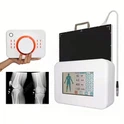

Choosing the Right X-ray Machine for Pets
Choosing the right X-ray machine for pets is crucial for effective veterinary care. These machines are vital for diagnosing various conditions in animals.
Veterinary X-ray machines come in different types, each with unique features. Understanding these differences can help in making an informed decision.
Portable X-ray machines are gaining popularity for their convenience in fieldwork and home visits. They offer flexibility and ease of use.
Digital X-ray systems provide faster processing and superior image quality. This advancement enhances diagnostic accuracy and efficiency in veterinary clinics.
Selecting the right machine involves considering factors like cost, maintenance, and safety. This guide will help you navigate these choices effectively.
The Importance of Diagnostic Imaging in Veterinary Care
Diagnostic imaging plays a pivotal role in veterinary medicine. It helps identify issues that are not visible externally, such as fractures and internal injuries.
Veterinary radiology supports accurate diagnoses and timely treatments. This can lead to better outcomes and improved animal care.

These imaging techniques assist veterinarians in planning surgeries and monitoring the healing process. They provide invaluable insights into an animal's condition.
Benefits of diagnostic imaging include:
Accurate detection of tumors and fractures
Effective monitoring of treatment progress
Enhanced surgical planning and execution
The development of advanced imaging technologies, like digital X-ray systems, has revolutionized veterinary care. These innovations deliver clearer images and quicker results. Diagnostic imaging not only improves immediate health outcomes but also supports long-term wellness programs. By investing in proper imaging equipment, clinics can offer comprehensive and preventive care, ensuring a high standard of veterinary service.
Types of Veterinary X-ray Machines: Stationary vs. Portable
Veterinary X-ray machines are crucial for diagnosing a wide range of animal health issues. They come in two main types: stationary and portable.
Stationary X-ray machines are typically found in larger veterinary clinics. These machines provide high image quality and are suitable for busy practices with high patient volumes.
Portable X-ray machines, on the other hand, are ideal for fieldwork or home visits. They offer flexibility and convenience, especially for mobile veterinary services.

Consider these factors when choosing between stationary and portable machines:
Location of your practice
Volume of patients you handle
Types of animals treated
Stationary units may offer advanced capabilities but lack mobility. Portable models provide ease of transport yet might have limitations in image resolution. Ultimately, the choice depends on your specific needs and the services provided by your practice. Each type of machine serves a unique purpose, enhancing different aspects of veterinary radiology. By evaluating the pros and cons of each, clinics can ensure they select equipment that best suits their workflow and patient care demands.
Key Features to Consider When Choosing a Veterinary X-ray Machine
Selecting the right X-ray machine for your practice involves several critical considerations. Each feature can significantly impact your clinic's efficiency and diagnostic capabilities.
Image resolution is paramount. High-resolution images enhance diagnostic accuracy and ensure better patient outcomes. Machines with advanced image enhancement software can further improve clarity.
The size and weight of the machine are also crucial. A lightweight, compact machine offers easier maneuverability, particularly in small clinics or for mobile services.

Consider the machine's compatibility with existing clinic systems. Seamless integration with current software can streamline workflow and reduce administrative burdens.
Safety features play a vital role in protecting pets and staff. Look for machines with built-in radiation shielding and automatic exposure control.
Important Features to Consider:
High image resolution and clarity
Lightweight and compact design
Integration with existing systems
Some machines offer customizable settings for different species, enhancing versatility. This feature allows for optimal diagnostic imaging across a range of animal types.
Additional Features Worth Exploring:
Customizable settings for specific species
Advanced software for image analysis
Strong safety features with radiation shielding
Finally, the ease of use is important. User-friendly interfaces minimize training time and ensure quick adaptation to the technology. Selecting a machine equipped with clear instructions and easy navigation will benefit both new and experienced staff members. Prioritizing these features will enable your clinic to provide efficient and high-quality veterinary care.
Digital vs. Traditional X-ray Systems: Pros and Cons
When deciding between digital and traditional X-ray systems, consider their distinct advantages. Digital X-ray systems are gaining popularity in veterinary practices for many reasons.
Digital systems offer faster image processing. Images appear on-screen almost immediately, allowing for quicker diagnostics and treatment decisions. This efficiency can enhance patient care and increase clinic throughput.
Traditional film-based X-rays, however, still hold value. They typically have lower initial costs, making them accessible for smaller clinics or budget-conscious practices. However, the ongoing cost of film and developing chemicals can add up over time.

Digital X-ray systems provide superior image quality. The high resolution and ability to adjust image parameters digitally improve diagnostic accuracy. They also allow for easy storage and sharing, streamlining collaboration with specialists.
Pros and Cons of X-ray Systems:
Digital: Quick processing, high image quality, easy sharing
Traditional: Lower upfront cost, familiar technology, ongoing supply needs
Ultimately, the choice between digital and traditional systems depends on specific clinic needs, budget, and long-term goals. Consider the benefits of each to make an informed decision that best serves your practice. Prioritizing image quality and efficiency will significantly impact your clinic's diagnostic capabilities.
Safety Considerations for Pets and Staff
Safety is a top priority when using veterinary X-ray machines. Understanding radiation exposure is crucial for protecting both pets and staff. Modern machines come equipped with advanced safety features.
Radiation shielding is an essential consideration. Proper protective gear, such as lead aprons and thyroid collars, should be worn during procedures. Machines designed with built-in shielding further minimize exposure risks.

Key Safety Features:
Radiation Shields: Minimize exposure for both pets and staff
Protective Gear: Essential for all personnel involved in procedures
Training: Regular training sessions keep safety protocols updated
Training and compliance with safety standards ensure a secure environment. Regular equipment checks and maintenance are also vital for detecting any safety issues early. Prioritizing these measures can significantly enhance overall clinic safety.
Cost, Maintenance, and Long-term Value
Investing in a veterinary X-ray machine involves understanding both upfront and ongoing costs. Digital systems often have higher initial investments but can prove more economical over time. Evaluating long-term value is essential for making a wise decision.
Maintenance plays a crucial role in the longevity and reliability of the equipment. Regular servicing ensures that the X-ray machine functions accurately, reducing the risk of faulty diagnostics. Budgeting for maintenance should not be overlooked.

Financial Considerations:
Initial Cost: Higher for digital; potentially lower operating expenses
Maintenance: Budget-friendly, prolongs life and accuracy
Long-term Value: Potential for reduced costs over time
Consideration of service contracts is essential. These contracts can often cover parts and labor, offering peace of mind. Comparing these costs against potential savings can clarify the machine's economic benefits. By evaluating all these factors, veterinary clinics can ensure they choose a machine that is both financially and operationally beneficial over the long term.
Integration, Software, and Workflow Efficiency
Seamless integration of an X-ray machine into clinic operations is vital for efficiency. Compatibility with existing software systems enhances workflow, streamlining tasks like record-keeping and image archiving. This synergy contributes to a more organized and productive environment.
Advanced software can offer image enhancement tools. These tools aid in precise diagnostics, reducing the chance of errors. Consider systems that allow easy updates and connectivity options to future-proof the equipment.

Key Considerations for Software and Integration:
Compatibility: Matches existing systems for smoother operations
Image Enhancement: Improves diagnostic precision
Updates and Connectivity: Keeps technology relevant
Workflow efficiency also benefits from user-friendly interfaces, which minimize training time for staff. Systems that provide quick image acquisition further enhance productivity, allowing clinics to handle a higher patient volume with ease. Ensuring that your veterinary X-ray machine integrates well with clinic operations not only saves time but also boosts overall service quality.
Special Considerations: Species, Clinic Size, and Portability
When selecting a veterinary X-ray machine, consider the specific needs of the animals you treat. Different species and sizes require machines with adjustable settings to capture detailed images.

The size of your clinic also plays a role. Smaller clinics might benefit from compact, portable units that save space and offer flexibility. Portable X-ray machines are ideal for mobile veterinary services, allowing veterinarians to provide diagnostic imaging during home visits or fieldwork.
Factors to Evaluate:
Species and Size Variability: Customizable settings for diverse needs
Clinic Size: Equipment that fits space constraints
Portability Needs: For on-the-go imaging solutions
Ultimately, the right X-ray machine should align with your practice's specific demands, whether that means accommodating large animals or enhancing mobility for remote diagnostics. This consideration ensures that both client expectations and clinical effectiveness are met.
Tips for Making the Best Choice: Questions to Ask and Mistakes to Avoid
Choosing the right veterinary X-ray machine requires careful evaluation. Begin by asking key questions about the machine's features and compatibility with your current systems.
Seek reviews from other veterinary professionals who have practical experience with the machines you are considering. Learning from others can prevent common mistakes and guide you toward effective choices.
Questions to Consider:
Does it suit your clinic's size and patient types?
Are training and support available?
How adaptable is it to emerging technologies?
Avoid rushing into a decision without fully understanding each machine's capabilities. Taking a measured approach ensures long-term satisfaction and improved patient care.
Conclusion: Enhancing Veterinary Care with the Right X-ray Machine
Selecting the appropriate veterinary X-ray machine can significantly enhance the quality of care provided in a veterinary clinic. By investing in the right equipment, veterinarians can improve diagnostic accuracy and treatment outcomes.
Focusing on key features, safety, and long-term value is crucial. This investment not only elevates a clinic's capabilities but also boosts client confidence and satisfaction. The right choice ultimately leads to healthier pets and a thriving practice.