
How Handheld X-ray Machines Improve Diagnostics
Handheld X-ray machines are transforming the way diagnostics are performed. These compact devices offer flexibility and convenience in various medical settings.
They are particularly valuable in emergencies, where quick imaging is crucial. The portability of these machines reduces the need for patient transport, benefiting those with limited mobility.
In dental practices, handheld X-ray machines provide quick and efficient imaging solutions. The technology has advanced to deliver high-quality images comparable to traditional X-ray machines.
These devices are cost-effective, making them ideal for small clinics with limited space. They are user-friendly, with intuitive interfaces that simplify operation for healthcare professionals.
Handheld X-ray machines are a testament to the advancements in medical technology, enhancing diagnostic capabilities and improving patient outcomes.
What Is a Handheld X-ray Machine?
A handheld X-ray machine is a portable diagnostic tool used to capture images of internal structures. These devices are compact, allowing for easy transport and use in various settings.
Typically, handheld X-ray machines are battery-operated, enhancing their mobility and usability in diverse environments. They function similarly to traditional X-ray machines but offer greater flexibility.
Key characteristics of handheld X-ray machines include:
Lightweight and easy to handle
Operates on battery power
User-friendly interfaces
Instant imaging capabilities
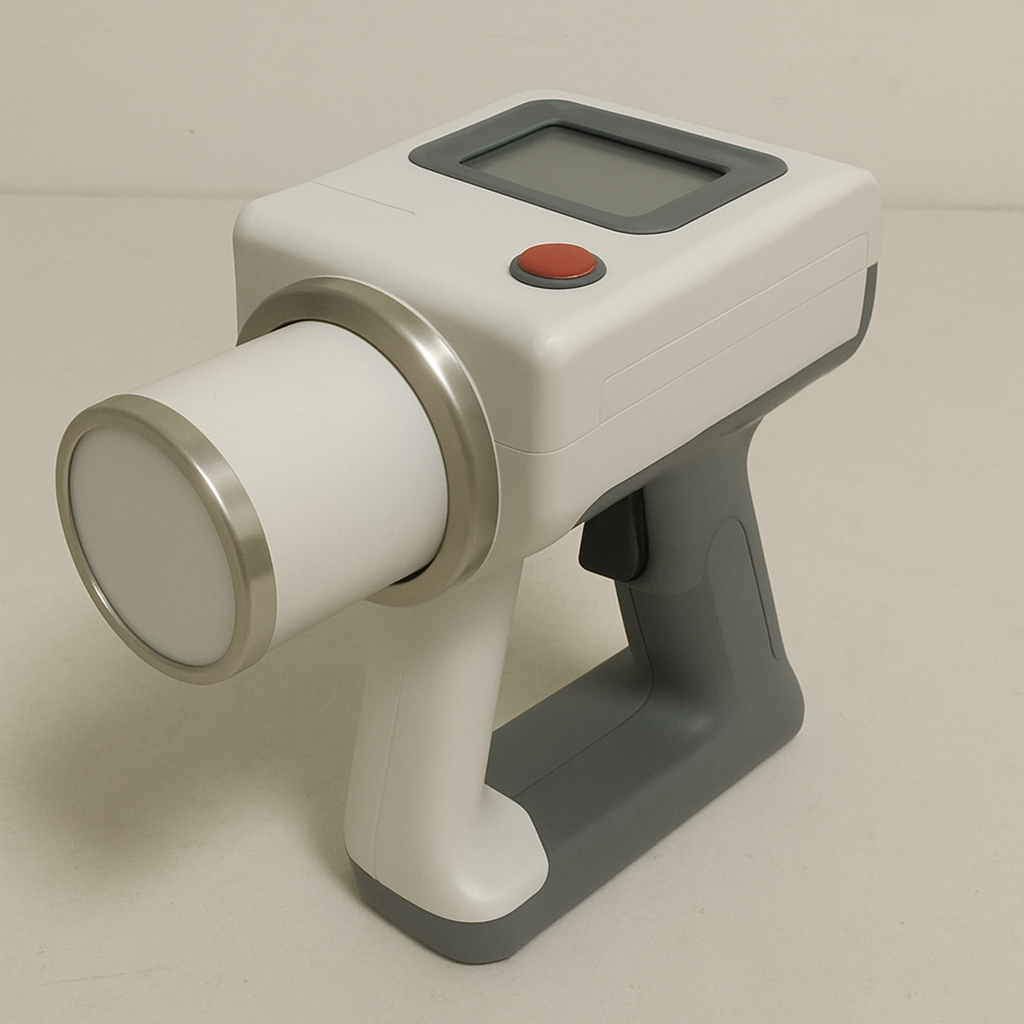
Handheld X-ray machines are designed for point-of-care applications, providing immediate imaging results. This enables faster diagnosis and treatment, particularly in emergency situations. By minimizing the need for patient movement, they are especially beneficial for those with limited mobility.
Key Benefits of Handheld X-ray Machines
Handheld X-ray machines provide numerous advantages for healthcare professionals. One of the main benefits is their portability, which allows them to be used in a variety of locations. This is particularly useful in situations where traditional X-ray machines are not feasible.
Another key benefit is the speed at which these machines deliver results. Faster diagnostics mean that treatment plans can be implemented more quickly, enhancing patient care. Additionally, these machines help reduce patient movement, which is crucial for those unable to travel easily.
Handheld X-ray machines offer several practical benefits:
Compact and user-friendly design
Instant imaging and diagnosis
Minimized need for transporting patients
Cost-effective for small clinics
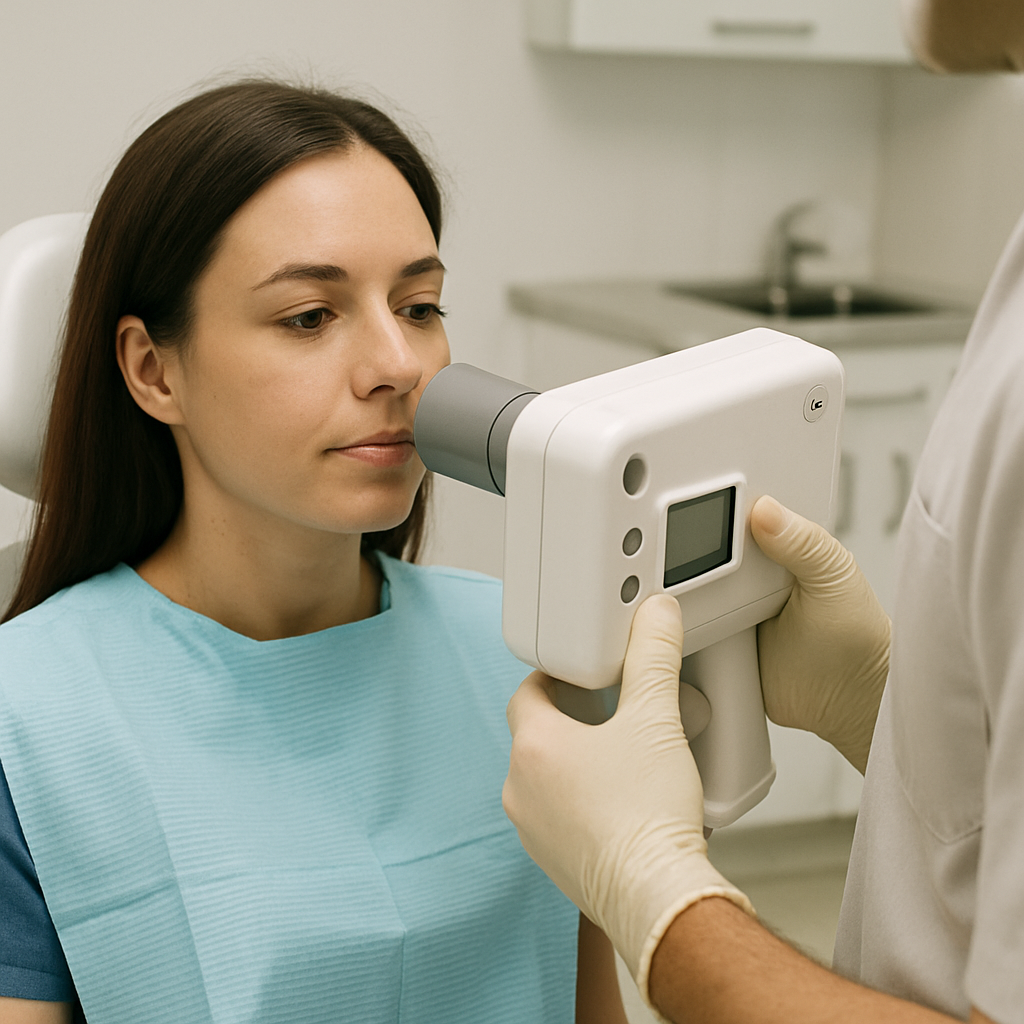
Moreover, handheld X-ray machines contribute significantly to reducing healthcare costs. By streamlining the diagnostic process, they help decrease the workload in busy medical settings. Their user-friendly design and advanced technology ensure that they are easily operable, even in demanding conditions.
Applications in Medical and Dental Fields
Handheld X-ray machines have found diverse applications across medical and dental fields. Their versatility makes them essential tools in both general healthcare and specialized practices. They significantly improve diagnostic capabilities by providing immediate results.
In emergency medicine, these portable X-ray devices are invaluable. They allow for quick imaging during critical situations, offering immediate insights into patient conditions. This speedy diagnosis can be life-saving in trauma and acute care settings.
Dental practices also benefit greatly from handheld X-ray machines. They enable quick, high-quality imaging, enhancing dental examinations and treatment planning. Dentists can easily identify issues such as cavities or root infections, improving patient outcomes.
Handheld X-ray machines serve various applications:
Orthopedics
Sports medicine
Veterinary practices
Field hospitals

Furthermore, in remote or rural areas, these machines provide vital imaging capabilities. They support healthcare delivery where traditional equipment may be lacking, ensuring comprehensive care for all patients. Thus, their role in healthcare is both broad and essential.
Advancements in Technology and Image Quality
Recent advancements have significantly enhanced handheld X-ray machines. Technology improvements have led to superior image quality that rivals traditional equipment. This enhances the diagnostic process across various medical and dental applications.
These improvements stem from developments in digital radiography. High-resolution sensors capture more detailed images, aiding in accurate diagnosis. The clarity and precision of these images allow healthcare professionals to detect abnormalities more effectively and initiate prompt treatment.
The machines now include features such as:
Wireless connectivity
Enhanced image processing software
Intuitive user interfaces

Advanced imaging software allows for better image enhancement and manipulation. This aids in more comprehensive patient evaluations and informed decision-making. Overall, technology's evolution has made these devices indispensable in modern healthcare, offering a practical solution to diagnostic challenges.
Safety Features and Radiation Protection
Safety is paramount in handheld X-ray machines. Manufacturers have incorporated features to protect both operators and patients. These enhancements ensure that radiation exposure remains minimal during the imaging process.
Key safety elements include:
Built-in shielding to reduce radiation leakage
Advanced exposure control settings
Automatic shut-off features
Modern handheld X-ray machines comply with stringent international safety standards. These measures ensure compliance, safeguarding everyone involved during the operation. The development of such features highlights the priority placed on health and safety.
With rigorous safety mechanisms, these machines are well-suited for diverse environments, including schools and remote areas. This makes them not only effective but also trustworthy tools in varying healthcare settings.
Portability and Point-of-Care Imaging
The portability of handheld X-ray machines offers immense flexibility. These compact devices are easy to transport and use in various locations. This enables healthcare providers to offer imaging services directly at the point of care.
Handheld X-ray machines excel in situations like:
Home healthcare visits
Remote or rural area clinics
Sports and event medical support

Their ability to perform on-site imaging reduces patient wait times. Quick and direct access to imaging significantly enhances patient care. By bringing diagnostics to the patient, these machines play a crucial role in modern healthcare practices.
Cost-Effectiveness and Workflow Efficiency
Handheld X-ray machines offer a cost-effective solution for medical facilities. Their compact design eliminates the need for large, costly installations. Small clinics and practices benefit from this economical approach.
These machines streamline the workflow by:
Reducing patient transport needs
Minimizing operational costs
Enhancing diagnostic speed
By improving efficiency, handheld X-ray machines help healthcare providers deliver faster, more reliable services. This leads to better patient outcomes and reduces overall healthcare expenses.
Challenges and Considerations
Despite their benefits, handheld X-ray machines face challenges. Limited battery life can hinder prolonged use in busy settings. Additionally, users must maintain regular technical servicing.
Consider the following:
Battery management and charging needs
Regular maintenance schedules
Training for effective usage
Addressing these issues ensures optimal performance and reliability. Careful consideration can maximize the machine's lifespan and efficiency.
The Future of Handheld X-ray Machines
The future of handheld X-ray machines looks promising. As technology evolves, these devices will become more advanced and accessible.
Emerging features like AI integration could revolutionize diagnostics. Enhanced connectivity will improve data sharing, fostering collaborative healthcare solutions. The advancements will empower healthcare providers worldwide, extending quality care across diverse environments.
Conclusion
Handheld X-ray machines are transforming the diagnostics landscape. Their portability and advanced imaging make them indispensable in modern healthcare. These devices provide flexibility and enhance patient care across various fields. As technology progresses, we can expect even greater innovations.
Integrating safety features and connectivity, handheld X-ray machines offer reliable solutions for diverse medical needs. They contribute to efficient workflows and improved outcomes, proving their value in today's medical environment.