
What Is a Mobile X-Ray Machine? Uses, Benefits, and Safety Explained
In modern hospitals, it's not uncommon to see medical staff pushing a large, wheeled machine into patient wards. Often bearing a yellow warning sign for ionizing radiation, this machine may draw curiosity-and even fear-from bystanders. Some ask, "What is this used for?" Others may worry, thinking it's a mobile radiation source. But rest assured, this machine plays a critical role in patient care. It's a mobile X-ray machine, also known as a bedside X-ray unit.
In this article, we'll explore everything you need to know about mobile X-ray machines: what they are, how they're used, their benefits and limitations, and what patients and caregivers should understand about radiation safety.

What Is a Mobile X-Ray Machine?
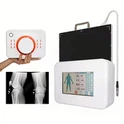
A mobile X-ray machine is a compact, portable imaging device designed to perform radiographic examinations at the patient's bedside. Unlike traditional X-ray systems housed in radiology departments, mobile X-ray machines can be wheeled to patient rooms, intensive care units (ICUs), operating rooms, and other clinical settings where patients cannot be moved easily.
This innovation has become indispensable in modern healthcare for delivering immediate diagnostic imaging to patients who are critically ill, immobile, or recovering from major surgery.
How Mobile X-Ray Machines Work
Mobile X-ray units work similarly to conventional radiography systems:
An X-ray generator emits controlled ionizing radiation.
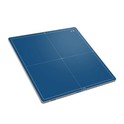
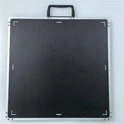
The X-rays pass through the patient's body and are captured by a digital detector.
The resulting images are either stored on the system or transmitted wirelessly to the hospital's Picture Archiving and Communication System (PACS) for physician review.
These systems are battery-powered and include built-in protective features to ensure safety during operation.
Key Advantages of Mobile X-Ray Machines
1. Bedside Imaging Convenience
Patients in ICUs, isolation wards, or operating rooms often cannot be transported to the radiology department due to their fragile condition. Mobile X-ray machines bring diagnostic capabilities directly to them.
2. Quick Clinical Decision-Making
In emergencies, time is critical. Mobile X-rays provide rapid results that allow physicians to make informed decisions without delays caused by transportation.
3. Tubing and Device Placement Verification
After the placement of devices such as endotracheal tubes, central lines, or nasogastric tubes, a bedside chest X-ray confirms the correct positioning, minimizing complications.
4. Infection Control
For patients with contagious diseases or compromised immunity, mobile radiography helps limit movement through the hospital, reducing the risk of cross-infection.
5. Intraoperative Imaging
During surgeries, mobile X-ray machines can assist in instrument localization, foreign body detection, or procedure verification, eliminating the need to move the patient to a different room.
Common Clinical Scenarios for Mobile X-Ray Use
Critically ill or immobilized patients
Post-operative evaluations in ICUs
Monitoring lung conditions such as pneumonia, pulmonary edema, or pneumothorax
Confirming tube placement (e.g., central venous catheter, chest drains)
Trauma cases where spinal precautions prevent movement
Limitations of Mobile X-Ray Machines
While mobile radiography offers many advantages, it is not a complete replacement for fixed radiology equipment. Limitations include:
1. Lower Image Quality
Mobile units typically have lower technical specifications compared to stationary systems. Image sharpness and detail may be compromised, making them less ideal for complex diagnostics.
2. Limited Examination Scope
Most mobile exams are restricted to chest X-rays. Abdominal, spine, or extremity imaging is less common due to positioning challenges and lower resolution.
3. Radiation Exposure in Non-Shielded Areas
Unlike radiology departments, wards and operating rooms are not designed with full radiation shielding. Although mobile X-rays emit very low doses, safety measures must be taken to protect nearby individuals.
4. Machine Durability and Maintenance
Frequent movement and use may lead to wear and tear, requiring regular calibration and maintenance to ensure safe operation.
Is Mobile X-Ray Radiation Dangerous?
A common concern is whether mobile X-ray machines emit dangerous levels of radiation. Here's the truth:
Radiation is emitted only at the moment of exposure-a fraction of a second.
The average chest X-ray radiation dose is about 0.1 mSv, roughly equivalent to three days of natural background radiation.
No radiation is produced when the machine is idle or being moved.
Safety protocols require non-essential personnel to stay at least 2 meters (about 6.5 feet) away during exposure, which is considered a safe distance.
Mobile lead shields or lead aprons are often used to protect nearby staff and patients.
Important Safety Tips for Patients and Caregivers
No Need to Panic: The machine does not emit radiation while idle. It is safe to be near it before and after the imaging.
Doctor Knows Best: Your physician will decide whether a bedside X-ray is appropriate. Unless medically necessary, conventional radiology should be preferred for better image quality.
2-Meter Rule: If another patient is undergoing a mobile X-ray in the same ward, keep a safe distance of at least 2 meters.
Protective Measures Are Taken: Staff wear lead aprons and use shielding barriers during imaging. Patients not being imaged are protected as well.
Bedside Radiography vs. Traditional Radiography
| Feature | Mobile X-Ray | Stationary X-Ray |
|---|---|---|
| Location | At the patient's bedside | In radiology department |
| Portability | High | Fixed installation |
| Image quality | Moderate to low | High resolution |
| Radiation shielding | Portable or none | Full room shielding |
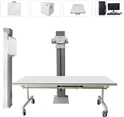
| Ideal for | Critical/emergency patients | Routine and detailed exams |
| Common usage | Chest, tubes, trauma | All body parts |
Final Thoughts
Mobile X-ray machines are a remarkable advancement in medical imaging technology, enabling healthcare providers to deliver faster, more convenient care to patients in critical need. While they don't match the image quality of fixed radiology systems, their portability and immediacy make them essential in modern hospitals, especially in emergency and intensive care units.
Understanding how these machines work and following basic safety guidelines can ease patient concerns, ensure accurate diagnosis, and improve overall care outcomes.
YSNMED provides advanced digital mobile X-ray machines, portable DR systems, and complete radiology department solutions. With over 20 years of global medical equipment experience, we support hospital projects in more than 200 countries.
📩 Need help choosing the right mobile imaging solution for your facility? Contact our expert team today!