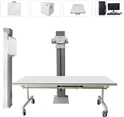

How to Design a Modern Medical Imaging Department: A Comprehensive Guide
The Medical Imaging Department-also known as the Radiology Department-is a core component of modern hospitals. As a high-tech functional unit, it integrates diagnostic, treatment, and imaging services, playing a vital role in the diagnosis of diseases across nearly all clinical departments. From conventional X-ray to advanced MRI and CT scanning systems, the efficiency and accuracy of medical diagnostics often depend on the infrastructure and design of this department.
In this guide, we explore the key design principles, spatial planning, and technical requirements for setting up a modern medical imaging center. Whether you're building a new hospital or upgrading an existing facility, these insights will ensure optimal performance, safety, and compliance.
Why Radiology Department Design Matters
Designing the radiology department involves more than just equipment layout-it requires detailed planning around:
Radiation shielding
Magnetic interference control
Patient and staff workflow
Fire safety and ventilation
Heavy-load-bearing structure for large equipment
Emergency accessibility
Poor planning can lead to equipment damage, patient anxiety, infection risk, and diagnostic delays. Therefore, a successful radiology center must balance technical function, spatial flow, and comfort.
1. Strategic Location Planning
The radiology department should be located at a central node in the hospital with direct access to:
Outpatient services
Inpatient departments
Emergency room (ER)
If the emergency department lacks dedicated imaging equipment, the main imaging department should be positioned adjacent to the ER with an independent access channel for urgent patients.
Important tip: Avoid placing the radiology department on the lowest level in flood-prone or rainy areas to prevent water damage to million-dollar machines like MRI and CT units.
2. Functional Zoning of the Radiology Department
A. Reception Area
Appointment registration room
Main waiting area
Secondary waiting area
Changing rooms
B. Examination and Treatment Area
X-ray room
CT room
MRI room
Mammography room
Ultrasound room
Control rooms and operator booths
Machine-specific accessory rooms
C. Auxiliary Support Area
Injection and preparation rooms
Equipment and contrast storage
Waste disposal and sewage rooms
Technical support and server rooms
D. Work Area
Radiologist reading room
Meeting and demonstration rooms
Administrative offices
Staff locker rooms
On-call and duty rooms
E. Living and Rest Areas
Doctor's lounge
Restroom facilities
Pantry
Staff break rooms
3. Room Size Standards (As per Healthcare Guidelines)
X-ray room (single bed): ≥24 m²
GI fluoroscopy room: ≥30 m²
CT or MRI room: ≥36 m²
Control room: minimum 10–15 m²
Auxiliary space for MR cooling systems should be adjacent
4. Radiation and Magnetic Field Shielding
Walls, ceilings, and doors of X-ray and CT rooms must be lined with lead plates to prevent radiation leakage.
MRI suites must be magnetically shielded to prevent signal interference and ensure patient and staff safety.
Observation windows should be made of leaded glass with a proper viewing angle for standing and seated operators.
Protective doors should be automatic or electric lead-lined doors with at least 150 cm width for easy stretcher movement.
5. Ventilation, Fire Safety & Environmental Controls
Fire smoke detectors and sprinkler systems should be installed in public areas, not directly above high-value machines.
In machine rooms, use dry powder fire extinguishers instead of sprinklers to avoid accidental water damage.
Air conditioning in CT and MR rooms should be provided by independent vertical air units, not central AC, to manage temperature and humidity.
Install dehumidifiers and drainage in control rooms and machine rooms.
Keep MRI rooms at least 14 meters away from elevators to avoid magnetic interference.
6. Workflow Optimization: Doors, Tracks, and Cabling
Doors should be positioned on the side, not center of imaging rooms to avoid blocking equipment paths.
Use sky rail ceiling mounts for overhead imaging systems; install channel steel before the ceiling is completed.
Embed PVC conduits (100–150 mm) before concrete pouring to route cabling cleanly from control room to machine room.
Open a small window in the control room facing the waiting corridor for patient interaction and staff-patient communication.
Separate technician entry doors should be located on the right-hand side of the observation window for efficient entry and egress.
7. Electrical and IT Infrastructure Planning
Independent grounding systems for CT and MR equipment must be implemented (not shared with other devices).
Install dedicated electrical control panels for imaging systems.
Every room must have reserved LAN and data ports for PACS/RIS integration and electronic medical record (EMR) systems.
Include two-way call buttons between registration desk and the on-duty room for emergency alerts.
Provide dedicated server or data room for the radiology department.
8. Additional Technical and Comfort Considerations
Each MRI and CT room should have a nurse prep room nearby for emergency medication, IV prep, and patient monitoring.
Reporting areas should be open or semi-open to reduce patient anxiety.
Design separate bathroom facilities within or near the radiology unit.
Ensure proper storage space for emergency supplies, PPE, and daily consumables.
9. Recommended Finishing Materials and Aesthetics
While function is priority, creating a calm, patient-friendly environment enhances the imaging experience:
Use non-slip, seamless vinyl floors for easy sanitation.
Walls should be coated in anti-bacterial paint or washable panels.
Use soft lighting and calming color schemes in waiting areas to reduce stress.
Control room desks should be ergonomically designed for radiologists' long reading hours.
10. Partner with Experts for Radiology Setup
Designing and equipping a radiology department is a complex engineering and medical project. Choosing experienced partners can help you avoid costly mistakes.
Why Choose YSENMED?
YSNMED Medical Equipment is a China-based healthcare solution provider with over 20 years of experience in radiology department construction and imaging equipment supply. Trusted by clients in 200+ countries, YSENMED delivers:
Full department design consultation
Complete imaging equipment portfolio (X-ray, CT, MRI, ultrasound)
Global logistics and installation support
Regulatory compliance with CE/FDA/ISO standards
Conclusion
Building a successful radiology department is not only about purchasing advanced machines. It's about combining strategic architectural planning, compliance with radiation safety standards, workflow optimization, and thoughtful interior design. By focusing on both functionality and patient experience, hospitals can maximize diagnostic efficiency and staff productivity while ensuring patient comfort and safety.
Need help designing or equipping your hospital's imaging center?
Contact YSNMED today for a customized radiology department solution tailored to your facility's size and needs.