
How Does a Pet Hospital Choose a Pet Digital X-ray Machine?
Veterinary medicine has advanced rapidly over the last two decades, and imaging technology has been one of the main drivers of that progress. Just as digital radiography (commonly known as DR) transformed human healthcare, it is now reshaping how veterinarians diagnose and treat animals. Since the world's first DR system appeared in 2009, the technology has matured significantly. What was once considered cutting-edge is now becoming the standard in both human and veterinary hospitals.
For pet hospitals, deciding to invest in a digital X-ray machine is not a casual purchase-it is a serious decision that involves both financial commitment and long-term responsibility. A well-chosen system can enhance diagnostic accuracy, reduce errors, and improve workflow efficiency. A poor choice, on the other hand, may lead to repeated breakdowns, unclear images, or unnecessary costs.
So, how does a pet hospital select the right DR system? Let's walk through the essential factors step by step, keeping in mind not only the technical specifications but also the practical realities of running a veterinary practice.

1. Understanding What Pet DR Really Means
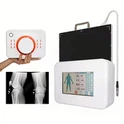
Digital radiography, or DR, refers to X-ray imaging that captures data directly via a digital detector, rather than through traditional film. The image is displayed on a screen within seconds, allowing for faster interpretation. In a veterinary setting, this means shorter exam times and less stress for animals, especially those who are nervous, injured, or in pain.
Unlike human patients, pets cannot stay perfectly still during a long imaging process. That makes speed and clarity especially valuable. A good pet DR system allows the veterinarian to take high-quality images quickly, reducing the need for retakes and minimizing radiation exposure for both pets and staff.
2. The Core Components of a Pet Digital X-ray System
Every DR unit is made up of several parts that must work together seamlessly. Knowing what each does can help hospital managers evaluate different systems with more confidence.
The Detector
This is the heart of the DR system. It transforms X-ray beams into digital images. The sharper the detector, the better the detail. For veterinary medicine, detectors with higher resolution help capture small fractures, lung patterns, or subtle changes in soft tissue. Wireless detectors are convenient, but wired versions may be more stable for busy clinics.
High-Voltage Generator
The generator supplies the power to produce X-rays. A hospital with access to three-phase 380V power may benefit from a 50kW unit, while clinics without that infrastructure might opt for a 20kW single-phase system. If mobile imaging is needed-for example, in larger animal practices-a portable generator is useful.
The X-ray Tube
Often referred to as the "visual center," the tube determines the quality of the image and the durability of the system. Rotating anode tubes are more powerful and last longer than fixed ones. A tube with at least 140 KHU heat capacity is recommended for busy hospitals. Imported tubes usually deliver more consistent performance and quieter operation.
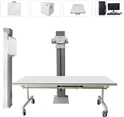
The Frame and Table
Think of this as the body of the machine. A four-way floating table is usually the most practical design for pets, making positioning easier for both the animal and the technician. Overly complicated human hospital frames, like six-way suspended systems, add unnecessary cost and complexity for veterinary use.
The Workstation Software
Finally, the software acts as the brain of the system. Veterinary-specific DR software is essential because it provides dose recommendations suited for animals, not humans. It should support DICOM 3.0 standards, which allow images to integrate into a hospital's PACS system. Features like zooming, measuring, and advanced image processing help veterinarians make accurate diagnoses.
3. Key Dimensions to Consider When Choosing a Pet DR
Buying a digital X-ray machine is not just about picking the model with the highest specs. It's about finding the right balance for your hospital's needs. Here are seven dimensions worth examining closely:
3.1 Display Quality
Modern LCD medical-grade monitors are far superior to older CRT monitors. They offer fixed resolution, clear fonts, and sharp imaging, which are essential for spotting subtle details in veterinary diagnostics. While CRT monitors technically work, they are outdated and no longer practical for today's workflows.
3.2 Generator Power
The generator is often called the "heart" of the system. If your hospital can support it, a 50kW three-phase generator will provide stable, high-quality imaging. If that is not possible, a 20kW single-phase unit is a reasonable alternative. Always choose higher power when you can, especially if your hospital handles a high volume of cases.
3.3 X-ray Tube Durability
Rotating anode tubes with large heat capacity are strongly recommended for veterinary hospitals. The more imaging you do, the more important it is to invest in a tube that can handle the workload without overheating or wearing out prematurely.
3.4 Practical Frame Design
For veterinary use, convenience matters. A four-way floating table provides flexibility without overcomplicating things. Avoid frames designed for human hospitals unless your practice has very specific needs.
3.5 Workstation Intelligence
Always select a system with genuine veterinary workstation software. It should allow image storage, transmission, and printing, but more importantly, it should help veterinarians interpret images effectively. Integration with existing hospital systems is a must for larger practices.
3.6 After-Sales Service and Warranty
No matter how advanced a machine looks on paper, it will eventually need service. A reliable warranty-ideally 24 months or longer-combined with responsive technical support is crucial. It's wise to buy from a company that provides both the main unit and its components, ensuring faster service and fewer compatibility issues.
3.7 Manufacturer Reputation
The manufacturer behind the system is just as important as the machine itself. A company with strong research and development, in-house engineers, and transparent pricing is far more trustworthy than a distributor who relies heavily on third-party support. Always confirm who will be handling installation and training-it should be factory-trained staff, not outsourced technicians.
4. Practical Considerations for Veterinary Hospitals
Beyond the technology, there are day-to-day realities that hospitals must consider when making such a big purchase.
Budgeting Wisely: While it's tempting to choose the lowest-cost option, poor-quality images or unreliable service will cost far more over time. Think of the purchase as a long-term investment.
Growth and Scalability: Choose a system that can grow with your hospital. As your case volume increases, you may need more advanced features or additional detectors.
Staff Training: Even the best DR system won't deliver results if staff are not trained to use it. Make sure training is included in the purchase package.
Animal Comfort: Shorter imaging times and ergonomic tables make a big difference for pets, especially those in pain. Consider how the equipment design impacts animal welfare.
Radiation Safety: Ensure the system includes features that minimize exposure for both pets and veterinary staff.
5. Why Digital Radiography Is Worth the Upgrade
Some hospitals still rely on older film-based X-ray machines, often because of the upfront cost of upgrading. However, when you look at the long-term picture, DR systems are more cost-effective. They eliminate the need for film and chemical processing, reduce retakes, and streamline workflow.
Just as importantly, pet owners increasingly expect their veterinarians to use modern technology. A clinic that can provide fast, clear digital images not only diagnoses more accurately but also builds stronger trust with clients. Sharing images digitally with specialists or owners is now standard practice, and DR makes that process seamless.
6. Bringing It All Together
At the end of the day, selecting the right pet digital X-ray machine comes down to balancing technical performance, clinical needs, and financial responsibility. Hospitals should evaluate:
Detector quality and resolution
Generator power and reliability
Tube durability and heat capacity
Frame design and ease of use
Veterinary-specific workstation software
Warranty and service support
Manufacturer experience and credibility
Every hospital's situation is different. A small clinic may prioritize affordability and simplicity, while a large animal hospital may need advanced capabilities and scalability. What matters most is making a choice that supports accurate diagnosis, efficient workflow, and the best possible care for animals.
Conclusion
Investing in a pet digital X-ray machine is one of the most important decisions a veterinary hospital can make. It affects not only the quality of medical care but also the hospital's reputation, efficiency, and long-term costs. By carefully weighing the factors outlined above-performance, service, software, and manufacturer reliability-pet hospitals can ensure they choose equipment that will serve them well for years to come.
In short: choose wisely, think long-term, and always prioritize the health and comfort of the pets who depend on your care.