
how much does a hospital x ray machine cost
Understanding the cost of hospital X-ray machines is crucial for healthcare facilities. These machines are a significant investment, impacting both budget and patient care.
The price of an X-ray machine can vary widely. Factors such as type, brand, and features play a role.
Basic models start around $30,000, while advanced systems can exceed $200,000. Portable units are generally more affordable than stationary ones.
Additional costs include installation, training, and maintenance. These expenses can add up quickly.
Choosing between new and refurbished machines also affects the overall cost. Each option has its pros and cons.
This guide will explore these factors in detail, helping you make an informed decision.
Understanding Hospital X-Ray Machine Cost: Key Factors
The cost of a hospital X-ray machine is influenced by several crucial factors. Understanding these elements helps in making a well-rounded purchasing decision.
Firstly, the type of X-ray machine significantly impacts the cost. Analog machines tend to be less expensive compared to digital counterparts.
Key factors affecting the cost include:
Technology: Digital systems offer higher quality but at a higher price.
Size and Capacity: Larger machines for extensive imaging cost more.
Brand Reputation: Well-known brands might demand higher prices but offer reliability.
Moreover, the inclusion of additional features like 3D imaging or fluoroscopy can increase the cost. These advanced features enhance diagnostic capabilities.
Lastly, geographic location affects pricing. Costs can vary based on regional demand and supplier availability. Considering these factors ensures a thorough assessment of potential expenses.
Types of Hospital X-Ray Machines and Their Prices
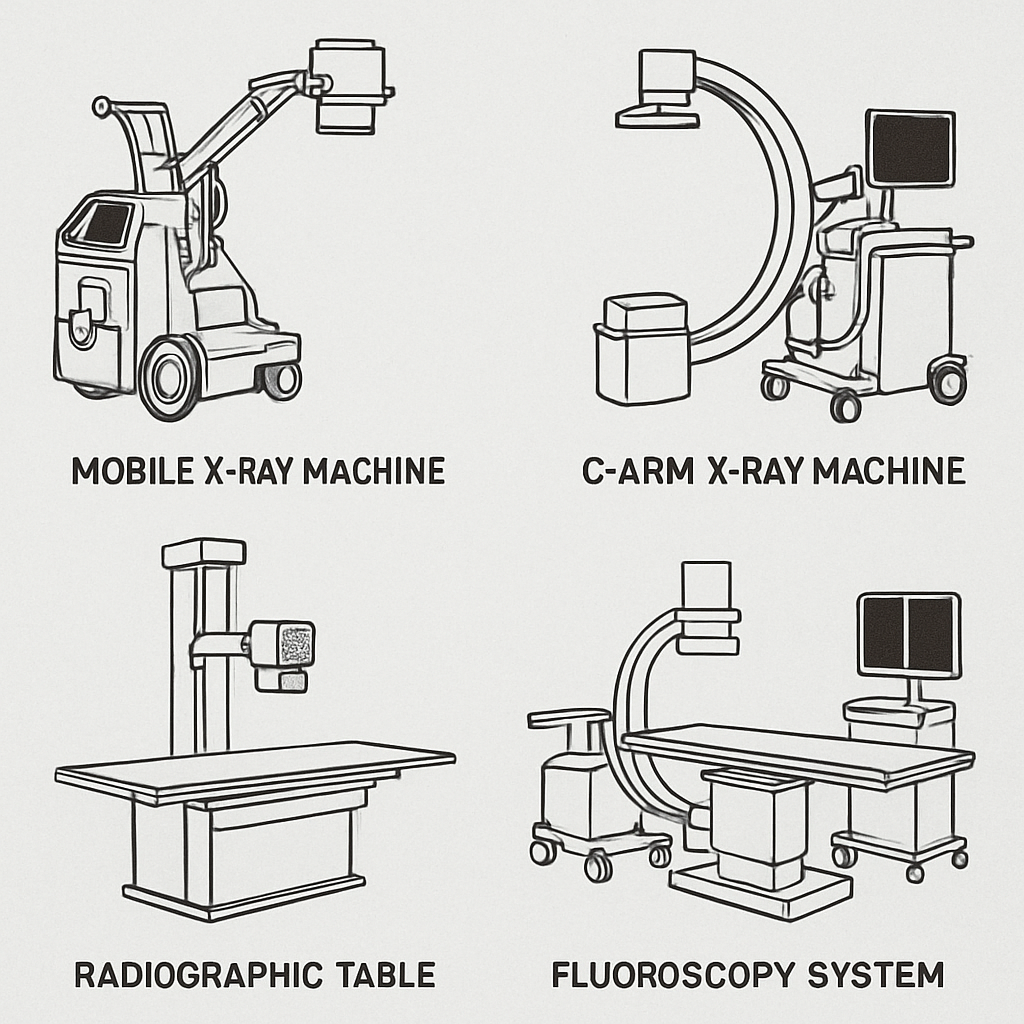
Hospital X-ray machines come in various types, each suited to specific needs and budgets. Choosing the right type depends on the medical facility's requirements and financial constraints.
Basic X-ray machines are often the most budget-friendly. Prices start around $30,000 but lack advanced features. They are suitable for facilities with basic imaging needs.
Digital X-ray systems are a significant upgrade. They offer better image quality and faster processing. However, these can cost upwards of $200,000, reflecting their advanced capabilities.
Portable X-ray machines offer flexibility, ideal for situations that require mobility. These machines tend to be more affordable than stationary units.
Here's a summary of the types:
Basic X-ray Machines: Starting at $30,000.
Digital X-ray Systems: Over $200,000.
Portable Units: Generally less costly than fixed systems.
Furthermore, some machines include additional features that impact pricing. Options like fluoroscopy add to functionality but increase expense.
Understanding the different types and their respective costs helps in aligning budget with needs. Deciding on the right machine type enables facilities to balance capability with economic considerations.
New vs. Refurbished X-Ray Machines: Cost Comparison
Choosing between new and refurbished X-ray machines involves weighing several factors. This decision can significantly affect a hospital's budget.
New X-ray machines come with the latest technology and full warranties. However, they demand a higher upfront investment. These units suit hospitals seeking cutting-edge technology for improved patient care.
Refurbished X-ray machines, on the other hand, offer a cost-effective alternative. They provide decent performance at a fraction of the cost of new models. These machines are usually inspected, repaired, and tested before resale.
Here are some considerations:
New Machines: Higher cost, latest features, full warranty.
Refurbished Machines: Lower cost, adequate for many needs, may have limited warranties.
Ultimately, the decision hinges on budget constraints and specific hospital needs. Some facilities prioritize the newest tech, while others opt for refurbished units to maximize budget efficiency.
Major Brands and Manufacturer Impact on X-Ray Machine Price
The brand and manufacturer play a crucial role in the cost of X-ray machines. Trusted names often come with a premium price tag. Their reputation for quality and service supports this higher cost.
Some well-known brands in the medical imaging field include:
GE Healthcare
Siemens Healthineers
Philips
These brands are known for reliable equipment with advanced features. When choosing a brand, consider factors beyond just cost.
The manufacturer's reputation, after-sales support, and technological innovation impact long-term value. Opting for a reputable manufacturer often ensures better durability and support. However, balancing features, cost, and reliability is essential for making the right investment.
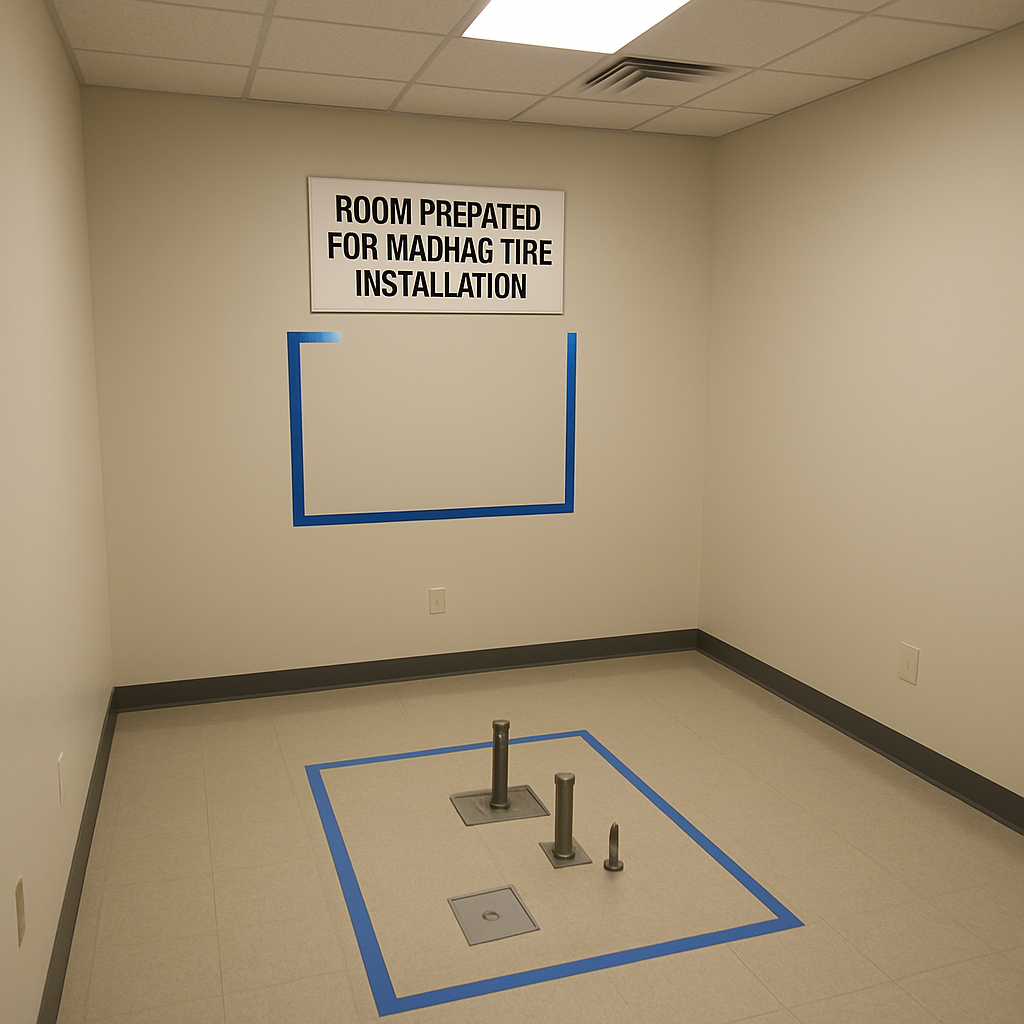
Installation, Room Preparation, and Initial Setup Costs
Installing a hospital X-ray machine involves several additional costs. These can vary based on the facility and the machine's complexity. Proper room preparation ensures safety and optimal machine performance.
Consider these potential expenses:
Structural modifications for room compliance
Radiation shielding for safety
Electrical upgrades for machine requirements
These elements are crucial for operational readiness. Proper setup can prevent long-term issues. Moreover, these initial costs can sometimes be bundled in the purchase price, so it's vital to negotiate effectively.
Consult with the supplier to understand what's included. Planning these aspects carefully can ensure a smoother installation process.
Maintenance, Service Contracts, and Operational Expenses
Operating an X-ray machine involves ongoing expenses beyond the initial purchase. Regular maintenance is essential to ensure longevity and optimal performance.
Hospitals should consider service contracts to manage these costs. These contracts typically cover routine maintenance and emergency repairs. Relying on skilled technicians helps prevent costly downtime and prolongs machine life.
Key operational expenses include:
Routine maintenance and repairs
Energy costs for machine operation
Software updates and calibrations
Understanding these expenses helps hospitals budget effectively. These costs can affect the total cost of ownership significantly. Evaluating these factors carefully ensures a smart investment in X-ray technology.
Additional Features and Technology Upgrades: How They Affect Cost
Advanced features can significantly impact the cost of an X-ray machine. These enhancements often offer improved functionality and efficiency.
Technological upgrades can include enhanced imaging capabilities and faster processing times. Innovations like 3D imaging and digital archiving systems are common. Each feature adds to the machine's overall price, but they can improve patient care.
Consider how these features affect pricing:
3D imaging technology
Fluoroscopy capabilities
Digital data management systems

In deciding on additional features, weigh the clinical benefits against the price. Investing in the right upgrades can enhance diagnostic accuracy and streamline operations, offering value beyond the initial cost.
Regulatory Compliance, Safety, and Certification Costs
Hospital X-ray machines must meet strict regulatory requirements. Compliance ensures safety for both patients and staff.
Meeting these standards can add to the machine's overall cost. Certification processes are essential and often require expert involvement. These measures ensure equipment reliability and safety.
Key compliance considerations include:
FDA regulations and approval
Radiation safety standards
Local health authority certifications
Keeping up with these regulations can be costly. However, compliance is crucial for legal operation and enhances trust in your facility's diagnostic capabilities. Ensuring proper certification helps avoid legal issues and promotes safer healthcare practices.
Training, Warranty, and After-Sales Support
Training is crucial for operating X-ray machines safely and effectively. Staff must be adept with the new technology for optimal use.
Warranties are a safeguard, covering repairs and maintenance for a specific period. They provide peace of mind and financial protection.
After-sales support ensures continuous assistance in resolving issues. This support is vital for minimizing downtime and maintaining operational efficiency. Important considerations include:
Comprehensive training programs
Warranty duration and coverage
Quality of after-sales service
These elements collectively influence the long-term success of your X-ray machine investment, ensuring smooth operations and prolonged equipment life.
Financing, Leasing, and Alternative Purchasing Options
Financing options can help hospitals manage the high costs of purchasing X-ray machines. Hospitals can spread payments over time, easing upfront financial strain.
Leasing is another viable choice, allowing access to new technology without a large capital outlay. It offers flexibility to upgrade equipment as advancements occur.
Alternative purchasing strategies, like bulk buying or cooperative purchasing, can also reduce costs. Consider these options to fit your budget and strategic needs:
Financing plans with manageable installments
Leasing agreements with upgrade options
Collaborative purchasing agreements
Each method offers distinct advantages, tailored to different financial circumstances and operational goals. Making an informed choice can significantly impact a hospital's financial health and access to technology.
Total Cost of Ownership: What Hospitals Should Consider
When purchasing an X-ray machine, it's crucial to consider the total cost of ownership beyond just the purchase price. This includes long-term expenses like maintenance, consumables, and staff training, which can significantly add to the total expenditure over time.
Evaluating these additional costs helps ensure the investment is manageable and sustainable. Hospitals should assess the full lifecycle costs and budget accordingly to avoid financial strain. Key considerations include:
Ongoing maintenance and service costs
Consumable expenses, such as digital storage
Training and certification for operators
Understanding these factors allows hospitals to make informed purchasing decisions that align with their financial and operational goals.
Tips for Reducing Hospital X-Ray Machine Cost
Reducing the cost of X-ray machines involves strategic planning and negotiation. Hospitals can explore several options to minimize expenses without compromising quality.
Firstly, consider purchasing refurbished machines, which often offer significant savings over new models. Another strategy is to engage in bulk purchasing agreements, which can result in cost reductions through volume discounts.
Additionally, hospitals should:
Investigate leasing or financing options
Compare quotes from multiple suppliers
Explore cooperative purchasing with other facilities
By adopting these approaches, hospitals can manage costs effectively while still acquiring the necessary equipment to enhance their diagnostic capabilities.
Conclusion: Making the Right Investment in Hospital X-Ray Machines
Investing in hospital X-ray machines is a crucial decision. It requires thoughtful evaluation and planning. Balancing cost with technology and service is essential for ensuring a worthwhile purchase.
Hospitals should consider the full scope of ownership, including maintenance and operational costs. Strategic investment in the right machine can enhance patient care and improve diagnostic accuracy.
Ultimately, making informed purchasing decisions ensures that healthcare facilities are equipped to meet current and future needs. By considering all aspects of the investment, hospitals can ensure they choose the best X-ray machine, aligning with their strategic goals and budget constraints.
Contact Our Expert Team for Personalized Guidance
Reach Out to Our Expert Team for Tailored Guidance
Navigating the world of X-ray machines can be a daunting task, especially when striving to strike the perfect balance between quality and cost. Our dedicated team excels in pairing healthcare professionals with the ideal imaging solutions that cater to both clinical requirements and financial considerations. Don't hesitate-connect with us today for a customized consultation and a quote specifically designed to meet your facility's unique needs.
Whether you're in search of a versatile portable X-ray machine for your mobile practice or a state-of-the-art digital radiography system for your hospital, we are here to help you explore the possibilities and uncover the best value for your investment in 2025.