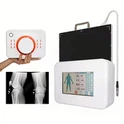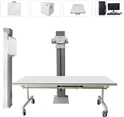

Looking for the right digital X-ray systems? This comprehensive guide covers every major type of digital X-ray systems and their real-world applications in 2026. Whether you need digital radiography systems for a busy hospital, portable digital X-ray units for bedside imaging, or cost-effective CR solutions for smaller clinics, you'll find clear comparisons, how-they-work explanations, and practical recommendations below.
Today's digital X-ray systems deliver faster results, 50-80% lower radiation dose, and far superior image quality compared to traditional film. That's why healthcare facilities worldwide are upgrading to modern digital radiography systems. In this article we break down the different types of digital X-ray systems - CR, DR, fluoroscopy, DSA, fixed, and portable digital X-ray - so you can choose the best solution for your practice.

1. Computed Radiography (CR) Digital X-Ray Systems – Budget-Friendly Entry to Digital
CR digital X-ray systems were the first widely adopted digital radiography systems and remain popular for facilities transitioning from film.
How CR digital X-ray systems work A reusable phosphor plate captures the X-ray image, then a reader scans the plate with a laser to produce a digital file. The plate is erased and reused immediately.
Best applications for CR digital X-ray systems • Routine chest X-rays and abdominal imaging • Orthopedic bone and joint studies • Extremity exams in mid-sized clinics and rural hospitals • Facilities with moderate daily volume
If you want full digital X-ray systems benefits without a huge investment, CR digital X-ray systems still offer excellent value in 2026.

2. Direct Digital Radiography (DR) Digital X-Ray Systems – The Modern Standard
DR digital X-ray systems (also called direct digital radiography) now power most high-volume radiology departments because they deliver instant, high-resolution images.
How DR digital X-ray systems work Flat-panel detectors convert X-rays directly into electrical signals. Images appear on screen in just 2–5 seconds - no plates to carry or process.
Where DR digital X-ray systems excel • Emergency departments and trauma centers • Pediatric imaging (critical dose reduction for children) • General radiography including chest, spine, pelvis, and extremities • High-throughput hospital settings
FTL's popular FTL500D DR digital X-ray system is trusted by facilities of all sizes for its outstanding image quality, seamless PACS integration, and reliable daily performance - making it one of the best-value digital radiography systems available today.

3. Digital Fluoroscopy Systems – Real-Time Dynamic Digital X-Ray
When clinicians need live motion imaging, digital fluoroscopy (a specialized type of digital X-ray systems) is the solution.
How digital fluoroscopy works Continuous low-dose X-ray produces smooth video-style images with modern flat-panel technology that further reduces radiation.
Common applications of digital fluoroscopy • Barium swallow and GI studies • Interventional radiology and catheter guidance • Orthopedic injections and urology exams
FTL's FTL-RF65D digital fluoroscopy system delivers crisp real-time imaging with user-friendly controls and excellent after-sales support.
4. Digital Subtraction Angiography (DSA) – Advanced Vascular Digital X-Ray
DSA is a premium subset of digital X-ray systems optimized for blood-vessel visualization.
Key benefit Software subtracts background structures so only contrast-filled vessels remain visible, often with 3D reconstruction.
Main uses for DSA digital X-ray systems • Coronary and cerebral angiography • Stroke intervention and aneurysm coiling • Peripheral vascular stent procedures
Fixed vs Portable Digital X-Ray Systems: Choosing the Right Mobility
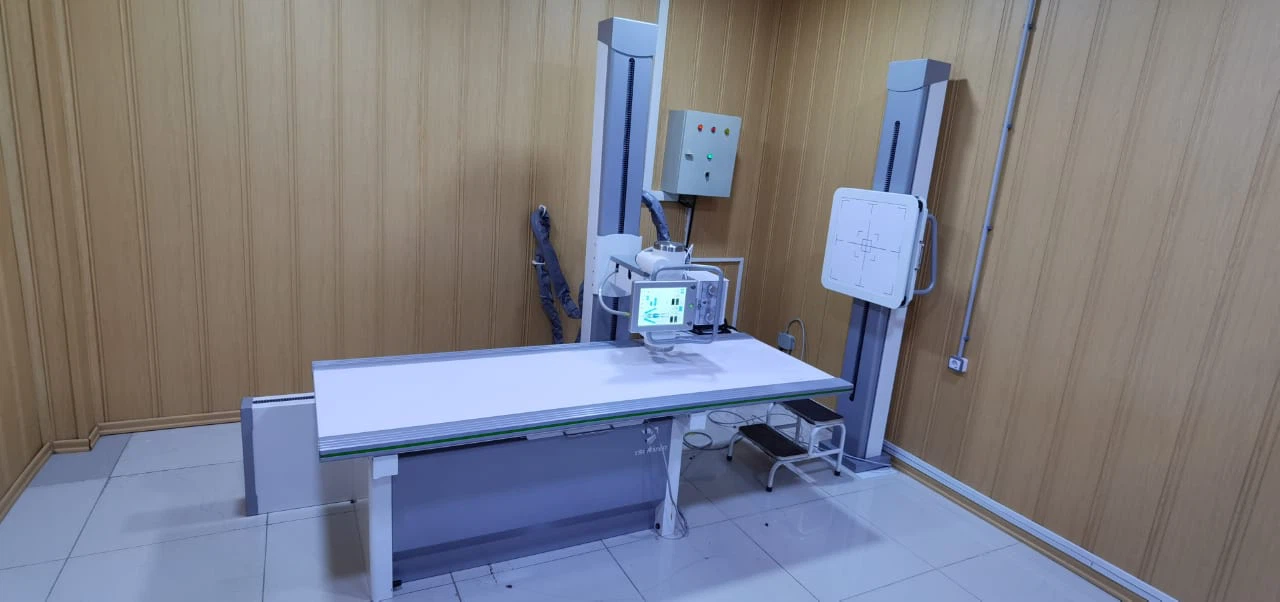
Fixed Digital X-Ray Systems Installed in dedicated radiology rooms, these digital X-ray systems provide maximum power and image consistency for high-volume departments. FTL offers a complete lineup of fixed digital radiography systems with flexible configurations.
Portable Digital X-Ray Machines Lightweight, battery-powered portable digital X-ray units bring high-quality imaging directly to the patient.
Top applications for portable digital X-ray • ICU, NICU, and post-op bedside exams • Operating rooms and emergency scenes • Nursing homes, home care, and mobile clinics • Disaster response and remote locations
FTL's portable digital X-ray machines combine excellent image quality with rugged design and wireless connectivity - making them a top choice among portable digital X-ray buyers in 2026.
How to Choose the Best Digital X-Ray Systems in 2026
When evaluating digital X-ray systems, consider: • Daily patient volume (high → DR or fixed; moderate → CR) • Need for real-time imaging (add fluoroscopy) • Mobility requirements (portable digital X-ray vs fixed) • Budget and future-proof features (AI readiness, wireless detectors, PACS compatibility)
FTL delivers clinically proven digital radiography systems across all categories - from affordable starters to full-featured models - with responsive local service.

Final Thoughts on Digital X-Ray Systems and Their Applications
From CR digital X-ray systems for small clinics to advanced DR digital X-ray systems, portable digital X-ray units, and specialized fluoroscopy/DSA, today's digital X-ray systems make diagnostics safer, faster, and more accurate than ever.
Understanding the different types of digital X-ray systems and matching them to your specific applications is the smartest way to improve patient care and ROI.
Ready to upgrade your digital radiography systems? Contact us today for expert recommendations, current pricing, and live demos of FTL digital X-ray systems - including portable digital X-ray and full DR solutions tailored to your needs.
FAQ – Digital X-Ray Systems
Q: What are the main types of digital X-ray systems? A: The primary types are Computed Radiography (CR), Direct Digital Radiography (DR), digital fluoroscopy, DSA, fixed digital X-ray systems, and portable digital X-ray machines.
Q: Which is better - CR or DR digital X-ray systems? A: DR offers faster imaging and higher resolution, while CR is more budget-friendly. Most facilities now choose DR digital radiography systems for high volume.
Q: Are portable digital X-ray machines suitable for large hospitals? A: Yes - modern portable digital X-ray units match fixed systems in image quality and are essential for ICU, OR, and bedside use.
Q: How much radiation do digital X-ray systems save? A: Typically 50-80% less than film-based systems, making digital radiography much safer for patients and staff.
Q: What should I look for when buying digital X-ray systems in 2026? A: Prioritize detector quality, workflow speed, dose-reduction features, PACS integration, warranty, and reliable service - all strengths of FTL digital X-ray systems.
Bookmark or share this guide on different types of digital X-ray systems and reach out if you need help selecting the perfect digital radiography solution for your facility!