
Fatali Flat Panel Detector: The Ultimate 2026 Guide to How It Works, Types, Advantages, Specifications & Buying Tips
As a dedicated flat panel detector manufacturer with over 20 years of experience, Fatali Medical has helped hundreds of hospitals, imaging centers, and distributors upgrade from outdated film and image intensifier systems to modern digital radiography. If you're searching for flat panel detector how it works, comparing flat panel detector vs image intensifier, exploring wireless flat panel detector options, or looking for flat panel detector specifications and real-world flat panel detector applications, this comprehensive guide covers everything you need.
In 2026, the global medical flat panel detector market continues its steady growth (projected 4–6% CAGR through 2029), driven by the shift to portable and dynamic systems, lower radiation doses, and advanced features like IGZO technology and glassless designs. Whether you need a portable flat panel detector for bedside imaging, a high-resolution model for mammography, or a long-format flat panel detector for full-spine exams, understanding the technology helps you make informed decisions that improve workflow, patient safety, and diagnostic accuracy.

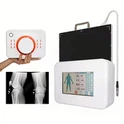
(Image: Fatali Wireless Flat Panel Detector in clinical use – ideal for portable flat panel detector applications)
What Is a Flat Panel Detector and Why It Matters in 2026
A flat panel detector (FPD) is a compact, solid-state digital X-ray sensor that directly converts X-ray photons into high-resolution digital images in real time. Unlike traditional film or bulky image intensifiers, a flat panel detector eliminates darkrooms, chemicals, and long wait times while delivering superior clarity and lower patient radiation exposure.
Today's flat panel detector manufacturers like Fatali focus on lightweight, durable designs that integrate seamlessly with existing X-ray generators. From fixed DR rooms to mobile units, flat panel detectors have become the standard in digital radiography because they support faster exams, better image quality, and compliance with strict dose-reduction regulations.
How Does a Flat Panel Detector Work? (Step-by-Step Explanation)
Understanding flat panel detector how it works is key to appreciating its advantages. Fatali flat panel detectors use advanced semiconductor technology in two main conversion types:
Indirect Conversion Flat Panel Detector (most common for general radiography) X-rays hit a high-efficiency CsI (cesium iodide) scintillator layer, converting them into visible light. This light is then captured by an amorphous silicon (a-Si) photodiode array and read out via a TFT (thin-film transistor) matrix to produce the digital image. Fatali's indirect models excel in speed and sensitivity, making them perfect for routine DR and fluoroscopy.
Direct Conversion Flat Panel Detector X-rays interact directly with a photoconductor layer (typically amorphous selenium – a-Se), generating electrical charges instantly without an intermediate light step. This results in higher spatial resolution, ideal for detail-critical exams.
Both types include automatic exposure detection (AED) for consistent results and support wired or wireless operation. The entire process happens in seconds, enabling real-time imaging that dramatically improves clinical efficiency.

(Image: Fatali Indirect vs Direct Flat Panel Detector Technology – detailed breakdown)
Flat Panel Detector vs Image Intensifier: A Clear Winner in Modern Imaging
One of the most common searches is flat panel detector vs image intensifier. Here's a practical comparison based on real hospital feedback:
| Feature | Flat Panel Detector (Fatali) | Traditional Image Intensifier |
|---|---|---|
| Image Quality & Distortion | Excellent, zero geometric distortion | Barrel/pincushion distortion over time |
| Radiation Dose | Significantly lower (higher DQE) | Higher exposure required |
| Size & Portability | Thin, lightweight, easy to handle | Bulky and heavy |
| Field of View | Larger active area | Smaller |
| Real-Time Performance | Superior for fluoroscopy | Good but degrades faster |
| Maintenance & Longevity | Low maintenance, durable | Higher upkeep, image gain loss |
| Workflow Speed | Instant digital preview | Requires more processing steps |
Flat panel detectors clearly outperform image intensifiers in almost every clinical scenario, which is why many facilities are retrofitting older C-arms and DR systems with flat panel detector technology.
Key Advantages of Choosing a Modern Flat Panel Detector
Hospitals upgrading to flat panel detectors report these proven benefits:
Superior image quality with high resolution, wide dynamic range, and excellent contrast.
Lower radiation dose – critical for pediatric, orthopedic, and repeat exams.
Faster workflows – supports real-time fluoroscopy and instant image preview.
Wireless flat panel detector options for true portability in ER, ICU, or mobile clinics.
Long-term cost savings – no film, chemicals, or frequent bulb replacements.
Versatile applications – from general radiography to specialized long-format flat panel detector use in spine imaging.
Fatali designs every flat panel detector with these advantages in mind, using premium materials for maximum detective quantum efficiency (DQE) and reliability.
Flat Panel Detector Specifications: What to Look For
When evaluating flat panel detector specifications, focus on these technical parameters:
Pixel size & resolution – Smaller pixels (e.g., 140–150 μm) deliver sharper detail.
Active area – Popular sizes include 14×17 inch (general use), 17×17 inch (versatile DR), and long-format panels for full-spine or long-bone imaging.
Wireless vs wired – Wireless flat panel detector models offer 8–12+ hours of battery life and full mobility.
DQE & sensitivity – Higher DQE means better low-dose performance.
Frame rate – Essential for dynamic/fluoroscopy applications.
Durability – Look for drop-tested designs (1-meter) and IPX4 water resistance.
Fatali flat panel detectors meet or exceed these benchmarks, with options tailored for both static and dynamic imaging needs.
Common Applications of Flat Panel Detectors in 2026
Flat panel detector applications span multiple clinical areas:
General digital radiography (chest, extremities, abdomen)
Surgical C-arms and interventional procedures
Mammography and breast imaging
Portable and mobile X-ray systems for emergency and bedside use
Veterinary digital radiography
Long-length detectors for orthopedic spine and leg imaging
The rise of portable flat panel detector solutions has made high-quality imaging accessible even in smaller clinics and field hospitals.
How to Choose the Best Flat Panel Detector for Your Facility (Buying Guide)
Searching for the best flat panel detector or flat panel detector manufacturers? Consider these practical steps:
Assess your workflow – fixed room, mobile, or hybrid?
Match specifications to clinical needs (resolution vs speed).
Evaluate compatibility with existing generators.
Factor in total cost of ownership – not just upfront price.
Prioritize after-sales support and software integration.
As a flat panel detector manufacturer, Fatali provides flexible configurations that help facilities of all sizes achieve excellent results without overpaying.
Maintenance Tips & Longevity of Flat Panel Detectors
Proper care extends the life of any flat panel detector. Key tips include regular cleaning with approved solutions, avoiding drops, keeping panels dry, and scheduling annual calibration. Fatali models are engineered for high-volume environments with minimal downtime.
Future Trends in Flat Panel Detector Technology (2026 & Beyond)
In 2026, expect continued adoption of wireless and glassless designs, IGZO TFT arrays for faster readout, AI-enhanced image processing, and even larger monolithic panels for single-exposure full-spine imaging. These innovations will further reduce dose and improve diagnostic confidence.
FAQ: Your Most Common Questions About Flat Panel Detectors Answered
Q1: What is the difference between wireless flat panel detector and wired models? Wireless versions offer complete mobility and are ideal for portable use, while wired models provide stable high-speed data transfer for fixed installations. Both deliver identical image quality.
Q2: How does a flat panel detector reduce radiation dose compared to older systems? Higher sensitivity and better DQE allow excellent images at lower exposure settings, supporting ALARA principles.
Q3: Are flat panel detectors compatible with existing X-ray equipment? Yes – most modern flat panel detectors, including Fatali's, integrate seamlessly with major generators and consoles.
Q4: What sizes are available and when should I choose a long-format flat panel detector? Standard 14×17 and 17×17 cover most needs; long-format panels are perfect for single-exposure spine or long-bone studies without stitching.
Q5: How long do flat panel detectors typically last? With proper care, 7–10+ years of reliable service in high-volume settings.
Q6: What should I consider when comparing flat panel detector manufacturers? Focus on material quality (CsI vs Gd2O2S), warranty, software features, and proven field performance.
Q7: Is a flat panel detector suitable for small clinics or veterinary practices? Absolutely – compact portable flat panel detector models make digital upgrades affordable and practical.
Q8: How do I know which type (indirect vs direct) is best for my needs? Indirect is versatile and cost-effective for most general use; direct excels in high-resolution applications like mammography.
flat panel detector technology continues to evolve rapidly, delivering measurable improvements in image quality, patient safety, and operational efficiency. As a manufacturer committed to innovation, Fatali Medical stays ahead of these trends to help healthcare providers deliver better care.
This guide provides everything you need to evaluate flat panel detector options confidently in 2026. Whether you're upgrading a single room or planning a full fleet replacement, the right flat panel detector can transform your imaging capabilities.
Need more details on specific models or technical comparisons? Our team is here to support your research every step of the way.