
The Evolution and Importance of Pet Digital Radiography (DR)
In the world of veterinary medicine, the adoption of digital radiography (DR) has marked a significant advancement since the technology was first introduced in 2009. Over the past fifteen years, pet DR has transformed the landscape of X-ray diagnostics, becoming an essential tool for veterinarians. As more medical device manufacturers embrace this trend, understanding the components and benefits of pet DR is crucial for any veterinary practice considering an upgrade or investment in new technology.
What is Pet Digital Radiography?
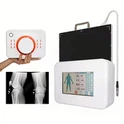
Pet digital radiography refers to the advanced digital X-ray examination systems designed specifically for pets. Unlike traditional X-ray systems, which utilize film, pet DR systems provide instant digital images that enhance diagnostic accuracy and efficiency. This technology allows veterinarians to diagnose conditions in real-time, significantly improving the treatment process for pets.
The Significance of Pet DR
The integration of various functionalities-such as imaging, gastrointestinal studies, and fluoroscopy-makes pet DR a versatile tool in veterinary medicine. Its ability to switch between dynamic and static imaging at millisecond intervals allows for more effective disease detection, thus reducing the chances of missed or misdiagnosed conditions. Furthermore, the advantages of pet DR extend to veterinary practices themselves, where the acquisition of a pet DR system represents a substantial investment decision aimed at enhancing service quality and patient care.
Key Components of Pet DR
When considering the implementation of pet DR technology, it's essential to understand its core components. Here are the five major elements of a pet DR system:
1. Digital X-ray Detector
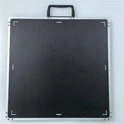
The digital X-ray detector is the core component of the pet DR system. It converts X-rays that penetrate the pet's body into high-quality digital images. This advancement offers superior image clarity and detail compared to traditional film, allowing veterinarians to make informed decisions based on accurate visual information.
2. High-Voltage Generator
A reliable high-voltage generator provides the electrical energy required for the X-ray tube. Depending on the veterinary clinic's power supply, a 50kW three-phase generator is recommended for those with a three-phase 380V supply. If this power source is not available, a 20kW single-phase generator can suffice. Choosing the right generator is critical to ensure the consistent performance of the DR system.
3. X-ray Tube
The X-ray tube is responsible for generating X-rays from the electrical energy supplied by the high-voltage generator. For optimal performance, veterinarians should consider using rotating anode tubes. These tubes are more efficient and have a longer lifespan than traditional fixed anode tubes, making them a more reliable choice for frequent imaging.
4. Frame
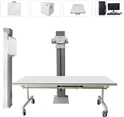
The frame of a pet DR system connects the examination table, digital X-ray detector, and X-ray tube, allowing them to function seamlessly together. A well-designed frame enhances workflow efficiency, ensuring that veterinarians can easily position pets for imaging.
5. Dedicated DR Workstation Software
This specialized software is crucial for displaying, storing, transmitting, printing, and reading images. It should comply with international DICOM 3.0 standards, ensuring that images are processed accurately and can be integrated with other systems such as PACS (Picture Archiving and Communication System). The right software enhances the usability of the pet DR system and aids in efficient image analysis.
Eight Dimensions of Pet DR
When evaluating pet DR technology, several critical dimensions should be considered:
Display Quality
The display monitors used in pet DR systems can be classified into two types: LCD and CRT. LCD monitors typically offer fixed resolutions and excellent color gradation, while CRT monitors provide flexibility in display options. The optimal refresh rate for LCDs is around 60Hz, ensuring minimal flicker, while CRTs should operate above 75Hz to prevent visual discomfort.
High Voltage Generator (The Heart)
For practices equipped with a three-phase 380V power supply, a 50kW generator is recommended. In the absence of such power, a 20kW single-phase generator will suffice. Selecting the appropriate generator is vital for achieving consistent and reliable performance during imaging procedures.
X-ray Tube (The Visual Center)
An ideal X-ray tube should have a heat capacity greater than or equal to 140KHU. It is advisable to use rotating anode tubes due to their efficiency and durability. High-frequency filming necessitates the use of tubes with larger heat capacities to prevent overheating and ensure image quality.
Structural Appearance (The Body)
A four-way suspended bed is preferred for pet imaging, as it offers greater convenience compared to six-way beds typically used in human DR systems. A fixed working distance structure is often more practical and reliable for veterinary procedures.
Dedicated Workstation Software (The Brain)
Investing in genuine, pet-specific DR workstation software that features recommended dosage settings for pets is essential. This software should adhere to DICOM 3.0 standards, ensuring high-quality images and seamless integration with other medical systems.
After-Sales Support
Choosing a pet DR system with comprehensive after-sales support is critical for long-term satisfaction. Look for machines that come with an extended warranty period, ideally 24 months, and ensure that all components are sourced from the same manufacturer to maintain overall performance and reliability.
Manufacturer Reputation
Selecting a reputable manufacturer with a strong presence in the veterinary field is paramount. Look for manufacturers that offer original factory installation and training, ensuring that your staff is well-equipped to utilize the new technology effectively.
Conclusion
Investing in pet digital radiography is a transformative step for veterinary practices aiming to enhance their diagnostic capabilities. With its myriad advantages-including improved efficiency, accuracy, and overall patient care-pet DR is not merely a passing trend but a vital tool in modern veterinary medicine. By understanding the components, dimensions, and significance of this technology, veterinarians can make informed decisions that benefit both their practice and the pets they care for.