
Static DR Vs Dynamic DR in Veterinary Radiology
Digital radiography (DR) is transforming veterinary radiology. It offers a modern alternative to traditional X-ray methods.
Veterinary practices now have two main DR options: static and dynamic. Each has unique features and benefits.
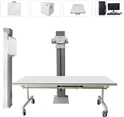
Static DR captures single images, much like a traditional X-ray. It's widely used for routine diagnostics.
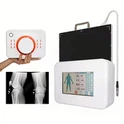
Dynamic DR, on the other hand, captures sequences of images over time. This allows for real-time imaging.
The choice between static and dynamic DR depends on specific needs. Cost, complexity, and diagnostic requirements all play a role.
Static DR is often more cost-effective. It's simpler and easier to maintain.
Dynamic DR provides detailed motion analysis. It's ideal for complex cases requiring functional evaluation.
Both systems offer high-quality images. They enhance diagnostic accuracy and improve patient care.
Veterinary professionals must understand these technologies. This knowledge helps in making informed equipment investments.
Advancements in DR technology continue to evolve. They promise even greater diagnostic capabilities in the future.
The integration of DR with practice management software enhances workflow. It also facilitates telemedicine consultations.
Choosing the right DR system can expand a practice's service offerings. It can also boost client satisfaction.
Understanding static and dynamic DR is crucial for veterinary teams. It ensures they stay updated with technological advancements.

Understanding Digital Radiography in Veterinary Medicine
Digital radiography (DR) has revolutionized veterinary medicine. It offers a shift from traditional film-based radiography. This shift enhances diagnostic processes significantly.
DR systems use digital sensors instead of film. This advancement allows for immediate image capture. Veterinarians can diagnose and treat patients more efficiently.
A key advantage of DR is reduced radiation exposure. This is beneficial for both animals and veterinary staff. The technology minimizes the need for multiple retakes.
Image processing with DR is faster. It allows for instant review on screens. This speeds up both diagnosis and treatment planning.
The storage and sharing of images are simplified with DR. Images can easily be integrated with digital archives. This integration aids in comprehensive patient records management.
DR aids in telemedicine, enabling the sharing of images with specialists. This capability is valuable for remote consultations and expert second opinions.
Some primary attributes of DR in veterinary medicine include:
Faster and more efficient image processing.
Reduced radiation exposure.
Simplified image storage and sharing.
Integration with practice management software.
Enhanced diagnostic accuracy.
The combination of these attributes enhances veterinary practices. DR improves workflow efficiency and diagnostic capabilities. This results in better patient outcomes.
The adoption of DR continues to grow. It's largely due to the non-invasive nature of the technology. Immediate results further encourage its widespread use.

What is Static Digital Radiography (Static DR)?
Static Digital Radiography (Static DR) is the digital counterpart of traditional film X-rays. It provides single, high-quality images. Veterinarians use Static DR for a variety of standard diagnostic assessments.
Static DR involves a straightforward imaging process. Once the animal is positioned, the system captures a stationary snapshot. This method is similar to taking a photograph.
Key features of Static DR are high image resolution and clarity. These attributes help detect subtle abnormalities. Common uses include evaluating bone fractures and dental assessments.
Static DR systems are generally considered cost-effective. They require a lesser financial investment compared to dynamic DR systems. This affordability makes them popular in general veterinary practices.
Routine veterinary check-ups commonly employ Static DR. Its simplicity reduces the learning curve, making it user-friendly. Most veterinary technicians learn to operate it with ease.
Advantages of Static DR include:
High image quality.
Cost-effectiveness.
User-friendliness.
Quick processing time.
Minimal maintenance.
The efficiency of Static DR contributes to streamlined workflows in clinics. Images are processed in seconds and readily available for diagnosis. This rapid access is crucial in emergency cases.
Static DR systems integrate well with other clinical technologies. This integration offers seamless workflow enhancement. Additionally, images can be easily stored and shared electronically.
Despite its usefulness, Static DR has limitations. It is less suited for dynamic studies, such as those involving motion. For these cases, dynamic DR would be preferred.
Static DR remains a staple in many veterinary settings. Its balance of quality and cost is unmatched for static diagnostic needs. Veterinarians rely on its reliability for everyday use.

What is Dynamic Digital Radiography (Dynamic DR)?
Dynamic Digital Radiography (Dynamic DR) offers a revolutionary way of visualizing movement within the body. Unlike Static DR, Dynamic DR captures continuous sequences of images over time, akin to creating a real-time video. This capability allows veterinarians to observe functional movements directly.
The innovation of Dynamic DR lies in its ability to track real-time physiological processes. Whether observing joint motion or tracking the swallowing process, it delivers insight that static images cannot match. Its applications are indispensable in diagnosing conditions involving movement abnormalities.
Dynamic DR systems are equipped with advanced technology. These systems are generally more expensive than static counterparts due to their complex capabilities and higher resolution imaging. This investment, however, can be invaluable for specialized veterinary practices that require precise functional diagnostics.
Dynamic DR excels in motion-related studies. It enables detailed examination of kinetic functions such as cardiovascular assessments or gastrointestinal motility studies. It provides critical insights into the dynamic biological activities within an animal's body.
Veterinary practices that require comprehensive diagnostic evaluations often incorporate Dynamic DR. It is particularly beneficial in research settings and for specialized veterinary needs. For veterinarians focusing on comprehensive diagnostic care, it is a crucial tool.
Listed below are notable features of Dynamic DR:
Real-time imaging capability.
High-resolution video-like sequences.
Advanced diagnostic applications.
Greater detail on movement and function.
Essential for specialized clinical cases.
The integration of Dynamic DR enhances diagnostic precision. It enables veterinarians to observe and measure physiological processes in real-time, which can lead to more accurate diagnoses and better-informed treatment plans.
While its advantages are numerous, Dynamic DR demands higher technical knowledge and skill. Veterinarians and technicians need specialized training to interpret the complex imaging data produced. This expertise ensures that the outcomes benefit the patient and facilitate effective medical interventions.
Dynamic DR leads the way for future advancements in veterinary imaging. Its capacity for detailed, real-time evaluations opens avenues for deeper understanding and treatment of complex animal health issues. It plays a pivotal role in advancing veterinary diagnostic capabilities.

Key Differences: Static DR vs Dynamic DR in Veterinary Radiology
Static and Dynamic Digital Radiography (DR) represent two distinct approaches within veterinary imaging. Each serves unique purposes with varying capabilities and applications.
The most evident difference is in image capture. Static DR captures a single snapshot at a time, making it suitable for simple diagnostic needs like bone fractures. Conversely, Dynamic DR records continuous sequences, acting like a video camera for capturing movement.
Another distinction lies in the purpose. Static DR is typically used for standard radiographic needs, where still images suffice. Dynamic DR finds its use in specialized diagnostics, essential where observing real-time movement is crucial.
Cost implications also differ significantly. Static DR systems tend to be more cost-effective, which makes them appealing for most general veterinary practices. Dynamic DR systems, with their complex technology, require a more substantial financial outlay.
There are also differences in the complexity of system operation and maintenance:
Static DR:
Simplified operation.
Lower maintenance needs.
Easier integration in everyday vet practices.
Dynamic DR:
Advanced operational skills required.
More frequent maintenance checks needed.
Integration suited for specialized settings.

The time factor plays into their differences too. Static DR provides quick image processing, suitable for routine evaluations. Dynamic DR requires more time to interpret due to the volume of data and complexity involved in real-time capture.
Flexibility in diagnosing is higher with Dynamic DR. Its ability to observe multiple physiological processes dynamically is unmatched by static imaging. This flexibility makes Dynamic DR invaluable in cases requiring detailed functional evaluation.
The patient experience varies between the two. Dynamic DR's real-time monitoring minimizes repeated exposure and stress. Static DR may require multiple shots if further detail is needed, though it generally maintains a low-stress environment due to its quick execution.
Technological advancement is another differentiator. Dynamic DR involves state-of-the-art imaging technology. It supports high-resolution videos, contrasting with static's high-quality but still imagery. This technological advancement in Dynamic DR allows for more comprehensive diagnostic evaluations.
User expertise requirements differ as well. Static DR's straightforward nature requires minimal training, while Dynamic DR demands a higher skill set due to its complexity. Training ensures accurate interpretation of intricate dynamics displayed in dynamic images.
Both have unique environmental impacts and safety profiles. Dynamic DR contributes less to waste due to digital storage and ease of sharing, a trait shared by Static DR. However, the sheer volume of data in Dynamic DR necessitates robust digital storage solutions.
Ultimately, the choice between static and dynamic systems depends on a practice's specific needs and budget. Both technologies are invaluable, yet selecting the right fit ensures optimal outcomes and service offerings in veterinary radiology.

Advantages and Disadvantages of Static DR
Static Digital Radiography (DR) plays a crucial role in veterinary medicine. It offers specific benefits suitable for various veterinary applications, but it also has some limitations.
One significant advantage of static DR is its simplicity. The technology is easy to use, making it accessible for many veterinary practitioners. This ease of use means clinics can quickly adopt static DR, integrating it into daily operations without significant hurdles.
Static DR systems are cost-effective. They require lower initial investment and maintenance compared to dynamic DR systems. This affordability allows smaller practices to provide quality imaging services without significant financial strain.
The image quality provided by static DR is impressive. High-resolution, detailed images allow for accurate diagnoses. However, it captures only still images, limiting its use in procedures requiring motion analysis.
Despite the advantages, static DR does have limitations. It cannot capture dynamic processes or real-time motion. This limitation makes it unsuitable for some specialized diagnostic tasks that involve detailed functional evaluations, such as swallowing studies.
Furthermore, while static DR systems are easier to maintain than their dynamic counterparts, they still require periodic service to maintain optimal image quality and system functionality.
There's also the aspect of radiation exposure. Although digital radiography reduces exposure compared to traditional methods, multiple static images might be needed for comprehensive assessment, potentially increasing exposure.
In summary, static DR provides valuable benefits for general veterinary practices, with some trade-offs:
Advantages:
Simple to use and implement.
Cost-effective.
High-quality static images.
Disadvantages:
Cannot capture real-time motion.
Requires periodic maintenance.
Potential for increased exposure from repeat images.
Ultimately, static DR suits routine diagnostic needs, particularly in cost-sensitive environments. However, practices must weigh these advantages against the need for real-time imaging when deciding on their radiographic technology investments.

Advantages and Disadvantages of Dynamic DR
Dynamic Digital Radiography (DR) offers unique capabilities in veterinary medicine. Its ability to provide real-time imaging distinguishes it from static DR.
One notable advantage of dynamic DR is motion capture. This feature is essential for procedures needing continuous observation, such as swallowing studies or joint movements.
Dynamic DR systems deliver comprehensive functional data. They provide insights that static imaging cannot, greatly enhancing diagnostic accuracy in complex cases.
Additionally, dynamic DR systems often come with advanced software that aids in detailed image analysis. This software enhances the capabilities of veterinary professionals, allowing for more precise evaluations.
Despite these benefits, dynamic DR systems have some drawbacks. They are generally more expensive than static DR systems. The cost factor can be a significant barrier for smaller practices with limited budgets.
Maintenance of dynamic DR systems can be more demanding. Due to the complexity of the technology, these systems often require more frequent upkeep to ensure optimal performance.
Learning curve is another consideration. The advanced features of dynamic DR require comprehensive training for veterinary staff. This training is necessary to exploit the full potential of the technology.
Dynamic DR systems also come with a larger footprint. They occupy more space in a clinic, which may be a constraint for facilities with limited room.
Here's a summary of the advantages and disadvantages:
Advantages:
Captures real-time motion.
Provides detailed functional data.
Includes advanced image analysis tools.
Disadvantages:
Higher initial and maintenance costs.
Requires significant training.
Occupies more physical space.
In essence, dynamic DR is a powerful tool in veterinary radiology, especially for practices that handle complex diagnostic procedures. However, veterinarians must consider the financial investment and operational requirements when choosing this technology.

Clinical Applications of Static DR in Veterinary Practice
Static Digital Radiography (DR) holds significant importance in veterinary practice. It offers a reliable method for capturing high-quality images.
Routine diagnostic tasks greatly benefit from static DR. This technology is commonly utilized to assess bone fractures and joint issues.
In dental evaluations, static DR proves particularly useful. Its detailed imaging capabilities help in detecting dental abnormalities and diseases in pets.
Another frequent use of static DR is in the evaluation of the thorax and abdomen. These exams help in identifying issues such as pneumonia or organ enlargement.
Static DR's application extends to pre-surgical evaluations. Veterinarians often use it to ensure a comprehensive assessment before performing complex procedures.
Static DR systems are favored for their ease of use and quick image production. The rapid generation of images means less waiting time for both veterinary staff and pet owners.
Veterinarians appreciate the consistency of static DR. The reliable imagery aids in swift and accurate diagnoses, improving overall patient care.
Here is a list of common applications for static DR:
Bone fracture assessments
Joint evaluations
Dental examinations
Thoracic and abdominal exams
Pre-surgical evaluations
Static DR finds a place in nearly every veterinary clinic due to its versatility and cost-effectiveness. Its ability to quickly produce accurate diagnostic images makes it a staple in day-to-day veterinary operations.
Ultimately, static DR provides an essential diagnostic tool that supports high-quality veterinary care and enhances treatment outcomes.

Clinical Applications of Dynamic DR in Veterinary Practice
Dynamic Digital Radiography (DR) is a versatile tool in veterinary practice. It offers invaluable insights into various complex conditions.
One of the key applications is in motion studies. Dynamic DR allows real-time imaging, essential for analyzing joint movements and biomechanics.
Swallowing disorders are another area where dynamic DR shines. It enables veterinarians to observe the entire swallowing process, identifying any abnormalities.
Dynamic DR is instrumental in respiratory function tests. It provides clear visualization of the breathing cycle, helping diagnose conditions like tracheal collapse.
Cardiac assessments benefit significantly from dynamic DR technology. The capability to capture motion helps in evaluating heart function and detecting anomalies.
The system is particularly useful in gastrointestinal examinations. Veterinarians can observe motility issues in real-time, offering better diagnostic precision.
Sports medicine in veterinary care also utilizes dynamic DR. It helps detect and analyze injuries, ensuring comprehensive treatment plans for animals engaged in physical activities.
Here's a list of clinical applications for dynamic DR:
Joint movement analysis
Swallowing studies
Respiratory function tests
Cardiac assessments
Gastrointestinal examinations
Dynamic DR requires specialized skills and more sophisticated equipment. It is ideal in settings demanding detailed motion analysis.
Despite its complexity, the benefits of dynamic DR in complex and specialized diagnostics make it invaluable in advanced veterinary practices.

Cost Considerations: Static DR vs Dynamic DR
Cost is a crucial factor in choosing the right digital radiography (DR) system. Static DR systems are often more budget-friendly.
The initial investment for static DR is typically lower. This makes it more accessible for smaller veterinary practices looking to upgrade from traditional X-ray.
Dynamic DR systems, however, require a larger financial investment. This is due to their advanced technology and capabilities.
Operational costs also vary between the two systems. Static DR generally has lower maintenance costs because of its simpler design.
In contrast, dynamic DR systems may incur higher maintenance expenses. These costs arise from the need for more frequent servicing and potential software updates.
Here's a summary of cost considerations:
Initial investment: Dynamic DR is more expensive.
Maintenance costs: Static DR tends to be cheaper.
Operational budget: Consider long-term service needs for dynamic DR.
Selecting between static and dynamic DR should consider financial feasibility. However, potential revenue increase from more advanced diagnostic services with dynamic DR should also be assessed.
Ultimately, understanding cost implications helps practices make informed decisions that align with their budget and service goals.
Workflow and Integration in Veterinary Clinics
Integrating digital radiography (DR) into veterinary clinics improves efficiency. Static DR systems streamline routine processes seamlessly.
Static DR offers quick image capture and processing. This allows veterinary teams to diagnose and treat conditions promptly.
Dynamic DR elevates workflow by enabling real-time monitoring. This feature is vital for complex procedures that need immediate assessment.
Both systems can be integrated with clinic management software. This integration facilitates easy access to images across departments.
Here's how they enhance clinic workflows:
Image sharing: Both systems allow easy sharing with specialists, improving collaboration.
Faster diagnosis: DR systems reduce time from capture to diagnosis.
Enhanced record-keeping: Digital images can be stored and retrieved effortlessly.
These systems' integration significantly boosts operational efficiency. However, adjusting to new technology requires staff training.
Training ensures that staff can utilize these tools to their full potential. This minimizes disruption during the transition phase.
Ultimately, choosing between static and dynamic DR should also consider the clinic's workflow needs. This ensures that the chosen system aligns with operational goals.

Image Quality and Diagnostic Capabilities
Image quality is crucial in veterinary radiology. Both static and dynamic DR systems provide high-resolution images.
Static DR captures detailed, still images. These images are excellent for diagnosing conditions like fractures or tumors.
Dynamic DR, on the other hand, offers real-time imaging. This capability helps assess functions, such as joint movement or swallowing.
Each system has unique diagnostic strengths:
Static DR: Ideal for bone and dental assessments.
Dynamic DR: Essential for evaluating motion and internal functions.
Veterinarians can choose the system based on diagnostic needs. Static DR may suffice for many routine examinations.
However, dynamic DR provides comprehensive insights for complex cases. It captures sequences that detail physiological processes.
Both systems contribute to better diagnostic accuracy. Veterinarians can make more informed decisions with clearer images.
Ultimately, selecting between static and dynamic DR depends on clinical priorities. The right choice enhances diagnostic capabilities.
Selecting the right technology influences patient care quality. It ensures efficient and accurate medical intervention.

Training and Expertise: What Veterinary Teams Need to Know
To utilize digital radiography effectively, veterinary teams need proper training. Understanding both static and dynamic DR systems is essential.
Training enhances the ability to interpret images correctly. Misinterpretation can lead to incorrect diagnoses or treatments.
Veterinary professionals must stay updated with ongoing technological advancements. This knowledge will ensure better patient care and outcomes.
Key components of training for DR systems include:
System Operation: Master the DR equipment controls and settings.
Image Analysis: Learn to interpret various radiographic images accurately.
Safety Protocols: Follow radiation safety procedures to protect staff and animals.
Software Use: Navigate and utilize software for image processing and storage.
Continuing education programs can support veterinary teams in mastering these skills. Regular workshops, seminars, or online courses are beneficial.
Moreover, hands-on training provides practical experience, reinforcing theoretical knowledge. Practice is vital for developing confidence and expertise.
Investing in staff training leads to improved diagnostic capabilities. It also increases the veterinary clinic's efficiency and client satisfaction.
Ultimately, trained teams can maximize the benefits of both static and dynamic DR systems. This advantage is crucial in providing high-quality veterinary care.

Maintenance, Durability, and Longevity
Maintaining digital radiography systems is crucial for maximizing their longevity. Routine checks help in avoiding unexpected breakdowns.
Both static and dynamic DR systems have unique maintenance needs. Generally, static DR systems are simpler and require less frequent servicing.
Regular software updates are necessary for both types of systems. These updates ensure optimal performance and high image quality.
To enhance the longevity and durability of DR systems, veterinary clinics should focus on:
Regular Cleaning: Keep the equipment clean to prevent dust build-up.
Software Updates: Apply updates to enhance system capabilities.
Routine Inspections: Schedule technical checks to catch and fix issues early.
Professional Servicing: Use expert technicians for repairs and maintenance.
By adhering to these practices, clinics can extend the lifespan of their DR equipment. Proper maintenance can prevent costly repairs and improve reliability.
Investing time in regular upkeep ensures DR systems remain efficient for years. This focus on maintenance supports continued high-quality veterinary care.

Environmental Impact and Safety
Digital radiography offers significant environmental advantages compared to traditional X-ray methods. The shift from film to digital reduces chemical waste.
Processing films required hazardous chemicals, but digital systems eliminate this need. This change lessens the environmental impact of veterinary practices.
Moreover, digital systems improve safety by reducing radiation exposure. Fewer retakes are needed due to the immediate feedback digital images provide.
Veterinary practices can enhance environmental sustainability by adopting digital radiography systems. Benefits include:
Reduced Chemical Use: No need for chemical developers.
Decreased Waste: Eliminates the disposal of physical films.
Lower Radiation: Minimizes exposure with accurate, first-time imaging.
Practices focused on safety and sustainability find digital radiography essential. It aligns with eco-friendly initiatives and improves care outcomes.
Veterinary clinics can play a crucial role in sustainability. By choosing digital technologies, they set a high standard for safety and environmental responsibility.

The Future of Digital Radiography in Veterinary Medicine
Digital radiography is poised to transform veterinary medicine even further. Technological advancements lead this evolution.
The incorporation of artificial intelligence (AI) promises to enhance image analysis. AI can improve diagnosis and increase accuracy.
Machine learning algorithms help identify patterns that might escape human eyes. This ensures earlier and more effective treatment strategies.
The integration of digital radiography with other imaging techniques is another frontier. Combining modalities offers comprehensive diagnostic capabilities.
These integrative approaches provide a fuller picture of health issues. Veterinarians can diagnose more swiftly and precisely.
Future trends also point towards greater connectivity and telemedicine. Sharing digital images with remote specialists becomes effortless, boosting collaboration.
Veterinary radiology will also embrace cloud-based solutions. This ensures easy access to images from anywhere at any time.
Key trends shaping the future of digital radiography include:
AI in Image Analysis: Automates and enhances accuracy.
Multi-modal Imaging: Integrates various technologies for detailed insight.
Telemedicine Growth: Facilitates consultations through shared digital imagery.
Cloud Storage: Supports seamless access and collaboration.
As digital radiography evolves, it promises greater diagnostic power. Veterinarians will deliver improved care with unparalleled precision.
Investment in these technologies positions veterinary practices for success. They will lead in patient care and diagnostic excellence.

How to Choose Between Static and Dynamic DR for Your Practice
Choosing between static and dynamic digital radiography depends on several factors. Each veterinary practice has unique needs and priorities.
Firstly, consider your budget. Static DR systems typically require less financial investment.
Evaluate the types of cases you frequently handle. Static DR suits routine diagnostics like fractures or dental checks.
Dynamic DR is ideal for complex cases involving motion analysis. This includes swallowing studies and joint evaluations.
Weigh the importance of real-time imaging in your services. Practices focusing on dynamic assessments may benefit from dynamic DR systems.
Key considerations for choosing a DR system include:
Budget: Balance cost with features.
Clinical Needs: Match system capabilities to case types.
Diagnostic Focus: Prioritize static or dynamic imaging based on services.
Integration: Assess compatibility with existing workflows.
Lastly, consider future growth and technology integration. A scalable DR system aligns with evolving practice demands.
Choosing the right system enhances both patient care and operational efficiency. Invest wisely to meet your practice's goals.

Frequently Asked Questions (FAQ)
What is digital radiography?
Digital radiography is an X-ray imaging method using digital sensors. It replaces traditional film imaging.
How does static DR differ from traditional X-rays?
Static DR captures single images digitally. It's faster and offers high-quality images compared to traditional film.
What is dynamic DR used for in veterinary practice?
Dynamic DR provides real-time imaging. It's useful for assessing movement and function, such as joint evaluations.
Are dynamic DR systems more expensive?
Yes, dynamic DR systems require advanced technology. They tend to be more costly than static DR systems.
Can static DR be used for all types of diagnostic imaging?
Static DR suits routine diagnostics but may not support detailed motion analysis. It's ideal for simpler cases.
Do DR systems require frequent maintenance?
Dynamic DR may need more maintenance due to its complexity. Static DR generally has lower maintenance needs.
How do I train my team in DR technology?
Training includes equipment use and image interpretation. Look for continuous education options to stay updated.
What are the environmental benefits of DR?
DR reduces chemical waste. It minimizes environmental impact compared to traditional film processing.
Is DR safe for animals and staff?
Yes, DR systems reduce radiation exposure. They require fewer retakes compared to traditional methods.
Which DR system enhances diagnostic capabilities?
Both systems offer high image quality. Dynamic DR provides detailed functional information, beneficial for complex cases.
Digital Radiography: Uses digital sensors for X-ray imaging.
Static DR: Ideal for single-image diagnostics.
Dynamic DR: Supports motion analysis in real-time.
Maintenance: Less for static DR; more for dynamic DR.
Training: Essential for accurate interpretation and use.
Conclusion: Making the Right Choice for Veterinary Radiology
Choosing between static and dynamic DR depends largely on your practice's specific needs. Consider the type of diagnostic work you frequently perform. Static DR excels in routine, straightforward cases. Its affordability and simplicity make it a suitable choice for many clinics.
On the other hand, dynamic DR offers advanced capabilities crucial for complex cases. It allows for detailed motion analysis, which is invaluable for certain conditions. Though costlier, its investment can enhance diagnostic precision and patient care in specialized settings.
Ultimately, weighing the advantages against costs and specific diagnostic requirements is key. Both systems have roles in advancing veterinary care. The right choice enhances your clinic's capabilities, patient outcomes, and client satisfaction, while aligning with your operational goals.