
Technological Advancements in X-Ray Machines
X-ray machines have transformed medical diagnostics. They provide a non-invasive way to view the human body.
Since their discovery, x-ray machines have undergone significant changes. These changes have improved their efficiency and safety.
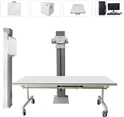
The shift from analog to digital x-rays marked a major milestone. Digital x-rays offer clearer images and faster results.
This evolution has enhanced diagnostic imaging. It allows for quicker and more accurate diagnoses.
Modern x-ray machines incorporate advanced imaging technologies. These include 3D imaging and tomosynthesis.
Such advancements have expanded the capabilities of diagnostic imaging. They provide detailed views of anatomical structures.
Artificial intelligence and machine learning are now part of x-ray imaging. They assist in analyzing images and improving accuracy.
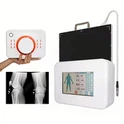
Portable x-ray machines have increased access to care. They bring diagnostic imaging to remote and underserved areas.
Radiation dose reduction is another key advancement. It enhances patient safety by minimizing exposure.
Integration with electronic health records streamlines workflows. It improves data management and sharing among healthcare providers.
These technological advancements in x-ray machines continue to shape the future of medical imaging. They promise even greater improvements in patient care.
The Evolution of X-Ray Technology: From Discovery to Digital
The evolution of x-ray technology began with Wilhelm Conrad Roentgen's discovery in 1895. His accidental finding revolutionized medical diagnostics almost overnight. Early x-ray machines were large and cumbersome.
These early machines used film to capture images. The process was time-consuming and required significant exposure to radiation. Despite their limitations, they were indispensable in medical practice.
The transition to digital technology marked a pivotal moment. Digital x-rays emerged in the late 20th century, transforming how images were captured and processed. This evolution greatly improved image quality.
Digital x-ray systems replaced film with digital sensors. These sensors allow for instant image viewing and manipulation. This change significantly reduced waiting times for both patients and clinicians.
Several key advancements facilitated this technological leap:
Improved resolution and detail
Reduced radiation doses
Faster image acquisition and processing
Enhanced image storage and sharing capabilities

With these improvements, diagnostic imaging became more precise. Modern x-ray machines now produce clearer images with lower radiation doses. They offer better diagnostic capabilities across various medical fields.
The incorporation of digital technology also introduced new possibilities. Images could easily be stored electronically and shared with other healthcare providers. This facilitated more integrated patient care.
The digital era enabled the development of additional imaging techniques. These include computed tomography (CT) and magnetic resonance imaging (MRI). Together, these technologies complement modern x-ray machines.
Despite the strides made, research continues to refine x-ray technologies further. The focus remains on improving efficiency, safety, and accessibility. The journey from Roentgen's initial discovery to today's digital systems showcases the rapid pace of technological advancements in medical imaging. Each advancement builds upon the last, forging new pathways for future innovations.
How Digital X-Rays Revolutionized Diagnostic Imaging
Digital x-rays have fundamentally reshaped diagnostic imaging in multiple ways. They offer significant advantages over traditional methods, mainly in terms of speed and accuracy. Their impact is wide-ranging and profound.
One of the most notable benefits is the reduction in radiation exposure. Digital systems use sensitive detectors that require less energy to produce clear images. This is a crucial advancement for patient safety.
Additionally, digital x-rays allow immediate access to images. Gone are the days of waiting for film development. This immediacy enhances clinical decision-making and streamlines patient care.
The precision of digital imaging also stands out. Enhanced image resolution enables more accurate diagnoses. This precision reduces the likelihood of repeated scans, further minimizing radiation exposure.

Another transformative aspect is the integration of digital images with health records. Electronic health records (EHRs) enable easy storage and retrieval of x-ray images. This facilitates seamless sharing between healthcare professionals.
The transition to digital systems also introduced dynamic imaging possibilities. Radiologists can manipulate images by adjusting brightness, contrast, and zoom. This flexibility aids in detecting subtle abnormalities that might go unnoticed.
Key advantages of digital x-rays include:
Faster processing and availability
Lower radiation dosage
Improved image quality and precision
Seamless integration with EHR
Better image manipulation and analysis
These improvements enhance patient outcomes by reducing misdiagnoses and unnecessary follow-ups. Clinicians can identify issues earlier, leading to more effective treatments.
Moreover, digital x-rays contribute to operational efficiency. Hospitals and clinics save time and resources, leading to cost-effective healthcare solutions. This accessibility extends even to smaller practices and remote areas.
The shift towards digital technology signifies more than just technical advancement. It represents a paradigm change in how diagnostic imaging is perceived and utilized. The benefits extend beyond medical diagnosis to improved healthcare delivery and patient satisfaction.
In summary, digital x-rays have not just improved the technical aspects of diagnostic imaging. They have expanded its role, making it central to modern healthcare practices worldwide. Each advancement continues to refine and redefine possibilities, pointing to a future where imaging is more integrated, precise, and accessible.
Key Features of Modern X-Ray Machines
Modern x-ray machines incorporate cutting-edge technology to improve diagnostic outcomes. These advancements have revolutionized how medical professionals view and utilize imaging.
A standout feature is their enhanced image resolution. New detector technology delivers clearer, sharper images. These improvements make it easier to identify minute details in tissues and organs.

Another notable feature is automated imaging processes. Built-in software algorithms facilitate rapid and accurate image acquisition. This automation reduces human error and speeds up diagnostic procedures.
AI integration is also crucial. Machine learning algorithms assist with image analysis, identifying patterns that may not be obvious to the human eye. This support aids in making more accurate and quicker diagnoses.
Furthermore, modern x-ray machines are designed with patient comfort in mind. They have ergonomic designs that reduce patient movement during scanning. Less movement leads to higher quality images and fewer retakes.
Eco-friendliness is an emerging trend. Digital machines eliminate the need for film and chemicals, making them more sustainable. Hospitals can now reduce their environmental impact while still providing high-quality care.
Key features include:
Enhanced image resolution
Automated imaging processes
AI and machine learning integration
Patient-centered ergonomic design
Environmental sustainability
These advanced features provide comprehensive benefits, not just for patients but also for healthcare providers. For instance, faster imaging processes free up valuable time for clinicians to engage with patient care.
Moreover, the integration of AI helps handle large volumes of imaging data. This integration provides better insights and aids in more effective treatment planning. Machine learning algorithms are constantly evolving, promising even more efficiencies in the future.
Overall, modern x-ray machines are a testament to how technology can significantly improve healthcare. They provide a complete package that boosts diagnostic capabilities, operational efficiency, and patient satisfaction. As technology advances, these machines will only continue to offer greater potential in medical diagnostics.
Advanced Imaging Techniques: 3D, Tomosynthesis, and Beyond
Advanced imaging techniques have significantly expanded the capabilities of modern x-ray technology. One of the most notable advancements is the development of 3D imaging. This technique offers a three-dimensional view of anatomical structures, providing depth and detail previously unavailable in traditional 2D x-rays.
3D imaging is particularly valuable in complex diagnostic cases. It allows radiologists to examine different layers and angles of an image, greatly enhancing the diagnostic process. This level of detail helps in precise assessment and treatment planning.

Tomosynthesis is another groundbreaking technique. It involves taking multiple x-ray images from different angles and then combining them into a single, high-resolution 3D image. This method is especially useful in detecting breast cancer, as it can uncover lesions concealed by dense breast tissue.
Beyond 3D and tomosynthesis, innovations like dual-energy x-ray absorptiometry (DEXA) are making waves. DEXA measures bone mineral density, aiding in the diagnosis of osteoporosis. It has become a standard practice for monitoring bone health.
Key advancements include:
3D imaging for detailed anatomical views
Tomosynthesis for enhanced breast cancer detection
Dual-energy x-ray absorptiometry for bone density
Other advanced techniques include the use of contrast agents. These agents improve visibility of blood vessels and tissues, helping to diagnose conditions such as blockages and tumors. This enhanced imaging capability allows for more precise and targeted treatments.
As these advanced imaging technologies continue to evolve, their applications in medicine multiply. Such innovations have the potential to improve early disease detection and patient outcomes, making them indispensable tools in modern healthcare.
In summary, advanced imaging techniques have propelled the capabilities of x-ray machines far beyond traditional boundaries. They offer a richer, more detailed view of the human body, assisting healthcare providers in making more informed and accurate diagnoses. The future of x-ray technology looks promising, driven by the continuous evolution of these high-precision imaging methods.
Artificial Intelligence and Machine Learning in X-Ray Imaging
Artificial intelligence (AI) and machine learning (ML) are revolutionizing x-ray imaging. They have transformed how images are analyzed and interpreted, significantly improving diagnostic accuracy. These technologies enable machines to learn from data and identify patterns that might be overlooked by human eyes.
AI systems can process vast amounts of imaging data quickly. This speed is crucial for urgent cases, where timely diagnosis is vital. By automating routine tasks, AI allows radiologists to focus on complex cases requiring expert interpretation.

ML algorithms excel at pattern recognition in diagnostic imaging. They assist in detecting anomalies like tumors, fractures, or infections. This capability boosts the reliability of readings, reducing the chances of misdiagnosis.
The incorporation of AI also supports predictive analytics. Machines can predict disease progression by analyzing historical data, aiding in planning treatment strategies. This predictive power is a groundbreaking advancement, moving healthcare toward proactive care.
Key benefits of AI and ML in x-ray imaging include:
Enhanced image analysis accuracy
Swift processing of large datasets
Predictive analytics for disease progression
Moreover, AI-driven tools offer personalized medicine solutions. They tailor treatment plans to individual patient profiles, increasing the likelihood of successful outcomes. This adaptability enhances patient care and supports precision medicine initiatives.
Concerns about AI replacing human jobs in radiology persist. However, most experts view AI as an augmentation rather than a replacement. AI handles routine analysis, allowing radiologists to concentrate on nuanced interpretations and patient interactions.
As AI and ML continue to advance, their integration into x-ray imaging presents new opportunities and challenges. The promise of improved diagnostic precision and operational efficiency is immense. Nonetheless, it is essential to address ethical considerations, ensuring that AI complements human expertise without compromising patient care.
Portable and Mobile X-Ray Machines: Expanding Access to Care
Portable and mobile x-ray machines have transformed diagnostic imaging. These devices bring imaging services directly to patients, enhancing accessibility and convenience. Such advancements have been particularly impactful in remote and underserved areas.
Mobile x-ray machines offer several advantages in healthcare settings. They reduce the need for patients to be transported, which is especially beneficial in intensive care units and emergency situations. This convenience is crucial for patients with mobility issues or severe injuries.

The compact design of portable x-ray machines allows for quick and easy setup. Healthcare providers can deploy these devices in various locations within a facility. This flexibility supports efficient workflows and reduces waiting times for patients.
Key benefits of portable x-ray machines include:
Enhanced accessibility in remote locations
Flexibility in deployment and setup
Reduced patient transport needs
Furthermore, portable x-ray machines are ideal for home healthcare services. Patients who are unable to travel can receive necessary imaging within the comfort of their home. This service is vital for improving diagnostic imaging access to elderly or physically challenged individuals.
Despite the advantages, challenges remain. Portable devices often have limitations in image resolution compared to stationary machines. However, ongoing technological advancements continue to close this gap, improving overall image quality and expanding capabilities.
As these technologies advance, the role of portable x-ray machines is expected to grow. They will further integrate into healthcare systems worldwide, providing critical support in diverse settings. Their continued evolution will play a significant role in ensuring that quality diagnostic imaging is accessible to all, regardless of location or circumstance.
Radiation Dose Reduction: Enhancing Patient Safety
Reducing radiation exposure is a major priority in medical imaging. Modern x-ray machines have significantly improved this aspect through various technological advancements. Lower doses of radiation contribute to safer diagnostic procedures, benefiting both patients and healthcare providers.
One of the primary improvements is in detector technology. Advanced detectors can capture high-quality images using less radiation. This innovation ensures the safety of patients without compromising image accuracy or detail. It reflects the ongoing commitment to minimizing potential risks associated with x-ray imaging.

Manufacturers have also focused on optimizing x-ray beam quality. This involves refining the energy levels and exposure times during imaging processes. By doing so, only the necessary amount of radiation is used, sparing patients from excess exposure. This approach is especially crucial for vulnerable populations like children and pregnant women.
Key methods for reducing radiation dose include:
Improved detector sensitivity
Optimized beam quality and exposure settings
Use of protective shielding for non-target areas
Education and training are equally important. Radiologists and technicians receive updated training on best practices in radiation dose management. Awareness and compliance with guidelines ensure consistent safety standards across different healthcare settings.
Moving forward, researchers continue to innovate. They aim to reduce radiation exposure further while enhancing imaging quality. The development of smart algorithms capable of maintaining image resolution with minimal radiation is a promising area of growth.
The strides made in radiation dose reduction highlight the emphasis on patient safety. As technology evolves, healthcare providers will be better equipped to deliver diagnostic services safely and effectively, ensuring peace of mind for patients during their imaging appointments.
Integration with Electronic Health Records and Digital Workflows
The integration of digital x-ray systems with Electronic Health Records (EHR) marks a significant advancement in healthcare. This synergy improves the efficiency of data management, allowing for seamless information flow within medical facilities. Through digital workflows, healthcare providers can access and share patient data in real-time.
Enhanced connectivity between x-ray machines and EHRs facilitates timely updates to patient files. This immediacy supports quicker decision-making and more coordinated care. Moreover, digital workflows help reduce errors by minimizing manual data entry and transcription. This integration has streamlined operations and reduced administrative burdens.

Key benefits of EHR integration with digital x-rays include:
Real-time data sharing and accessibility
Minimized errors through automated data entry
Streamlined communication among healthcare providers
Medical professionals now have the ability to access previous imaging records effortlessly. This capability supports comprehensive diagnostics and continuity of care. During consultations, practitioners can review prior images alongside new ones for comparative analysis. This integration ultimately enhances patient outcomes by fostering more informed clinical decisions.
The adoption of digital workflows also contributes to improved resource management. By decreasing reliance on physical film and paperwork, facilities can optimize space and reduce environmental waste. As healthcare evolves, the integration of x-ray technologies with digital platforms will continue to shape the landscape of patient care, offering more efficient and effective services.
Environmental and Economic Benefits of Digital X-Rays
Digital x-ray technology presents several environmental benefits. Traditional x-ray machines rely on chemical processing of film, which contributes to chemical waste and pollution. Digital x-rays eliminate the need for these harmful chemicals, making them a more eco-friendly option.
In addition to reducing chemical waste, digital x-ray systems require less physical storage space. This helps in conserving resources, as healthcare facilities no longer need extensive storage for film records. Digital images can be stored electronically, providing easy access while minimizing environmental impact.
On the economic side, digital x-rays offer considerable cost savings. Although the initial investment might be higher, the long-term benefits outweigh these costs. Key economic advantages include:
Reduced costs associated with purchasing and storing physical film
Lower expenditures on chemical processing materials
Decreased maintenance and operational expenses
Over time, digital systems prove to be more cost-effective than their analog counterparts. They require less maintenance due to fewer moving parts and digitized processes. This efficiency translates to financial savings for healthcare providers. Additionally, faster image processing and higher diagnostic accuracy lead to enhanced productivity.
By adopting digital x-ray technology, healthcare facilities can improve their environmental footprint and balance sheets. This transition supports broader sustainability goals while delivering economic benefits. The shift is not just a technological upgrade, but a crucial step toward environmentally responsible and fiscally prudent healthcare practices.
The Role of X-Ray Machines in Early Disease Detection and Monitoring
X-ray machines have revolutionized early disease detection. They provide a non-invasive method to examine the internal structures of the body. This capability is crucial for identifying diseases at an early stage, improving treatment outcomes.
With advancements in x-ray technology, the ability to monitor diseases has greatly improved. Frequent imaging allows healthcare providers to track disease progression or regression over time. This continuous monitoring aids in tailoring patient-specific treatment plans.

Modern x-ray machines come equipped with advanced imaging capabilities. These features enhance the clarity and detail of images, which is vital for:
Detecting fractures and bone diseases
Identifying tumors and masses
Monitoring lung conditions like pneumonia or tuberculosis
The integration of x-ray imaging with other diagnostic tools has improved comprehensive assessment. Healthcare providers can now cross-reference x-ray results with MRI or CT scans. This holistic approach enables a more accurate diagnosis.
In addition, the reduced radiation dose in current machines enhances patient safety, allowing more frequent imaging without significant risk. The role of x-ray machines continues to expand as technology advances, reinforcing their importance in both diagnostic processes and ongoing patient monitoring. The evolution of x-ray technology continues to solidify their role as indispensable tools in modern healthcare.
Specialized Applications: Dental, Orthopedic, and Pediatric Imaging
X-ray machines play a crucial role in specialized medical fields. These applications adapt the fundamental imaging technology to meet unique diagnostic needs. This specialization enhances patient care across various disciplines.
In dental imaging, x-ray machines are indispensable. They provide detailed views of teeth, jawbones, and surrounding tissues. These images help detect cavities, assess alignment, and plan surgeries with precision. Digital x-rays make the process faster and safer for patients.

Orthopedic imaging benefits greatly from advanced x-ray technology. It offers high-resolution images that reveal bone conditions like fractures or arthritis. The precision helps in planning surgeries and monitoring recovery processes. X-rays can also highlight conditions such as bone spurs and joint displacement.
Detecting dental cavities
Visualizing bone fractures
Assessing joint conditions
Pediatric imaging presents unique challenges that x-rays help address. Due to lower radiation doses, modern machines are suitable for children. They allow the detection of congenital abnormalities and growth irregularities safely. This capability is vital for early interventions and minimizing long-term health issues.
In each specialized field, x-rays provide essential insights. Their tailored applications improve diagnostic accuracy and treatment outcomes. This versatility reinforces the indispensable nature of modern x-ray machines across medical specialties. As technology advances, these specialized applications will continue to enhance patient care.
Training, Education, and Evolving Roles in Radiology
The rapid pace of technological advancements in x-ray machines demands continual adaptation. Radiologists and technicians must stay abreast of these changes. This need has reshaped training and education programs.
Educational institutions now incorporate cutting-edge technologies into their curricula. Training involves using digital x-rays and advanced imaging techniques. Courses often focus on software applications, machine learning integration, and data analysis in diagnostics.

The evolving roles in radiology extend beyond traditional skills. Modern radiologists need to manage electronic health records and patient data. This involves understanding data privacy laws and efficient workflow integration. As diagnostic imaging becomes more reliant on software, proficiency with digital tools is essential.
Mastering digital imaging software
Understanding AI applications
Navigating electronic health records
These evolving roles highlight the dynamic nature of the field. Professionals must be flexible and willing to learn continuously. The commitment to education ensures improved patient outcomes and elevates the standard of care. This dynamic environment contributes to the advancement of radiology as a discipline. As x-ray technology advances, the demand for skillful radiologists will only grow.
Challenges and Limitations of Modern X-Ray Technology
Despite impressive advancements, modern x-ray technology still faces several challenges. One major issue is the high cost of advanced imaging equipment. These costs can be prohibitive for smaller medical facilities or those in underserved regions.
Another limitation is the complexity of new systems. Advanced machines often require extensive training and specialized knowledge. This can lead to a steep learning curve for medical staff, impacting workflow efficiency until mastery is achieved.
Technological reliance introduces potential vulnerabilities, such as software glitches or hardware malfunctions. These can disrupt diagnostic services, affecting patient care. Moreover, though radiation doses are reduced, exposure risks remain, especially with frequent use.
Several key challenges include:
High acquisition and maintenance costs
Extensive training requirements
Potential for technology failures
Additionally, integration with existing systems can be complicated, demanding robust IT solutions. While advancements in x-ray technology are transformative, overcoming these challenges is vital. Continued innovation and support will help address these issues, ensuring that cutting-edge diagnostic tools are accessible and reliable for all healthcare providers.
Future Trends: Predictive Analytics, Personalized Medicine, and Beyond
The future of x-ray technology is brimming with possibilities. Predictive analytics, driven by artificial intelligence, promises to revolutionize diagnostic imaging. By analyzing vast datasets, AI can identify patterns that humans might miss, enhancing early disease detection.
Personalized medicine is another exciting trend on the horizon. X-ray imaging will play a crucial role in tailoring treatments to individual patients. By providing detailed images, clinicians can develop customized treatment plans, improving patient outcomes.
With technological innovations, real-time health monitoring could become a reality. Incorporating wearable technologies, future x-ray systems might provide continuous patient assessment, fostering preventive healthcare. This proactive approach can lead to faster intervention and better healthcare results.
Looking ahead, the integration of emerging technologies will shape the future of x-ray machines. Key future trends include:
Advanced predictive analytics for early diagnosis
Tailored treatments via personalized imaging
Real-time monitoring through innovative wearables
These advancements herald a new era in medical imaging. As the field evolves, x-ray technology will become an indispensable tool in achieving precision medicine. The combination of predictive insights and personalized care will transform the healthcare landscape, delivering more targeted and effective treatments for patients globally.
Conclusion: The Impact of Technological Advancements in X-Ray Machines
Technological advancements in x-ray machines have transformed diagnostic imaging. These innovations have paved the way for safer, faster, and more accurate imaging. Modern x-ray machines have revolutionized healthcare delivery, making significant contributions to patient care.
Digital x-rays have improved image quality and reduced processing times. They have enhanced diagnostic efficiency, allowing healthcare professionals to make quicker decisions. This rapid evolution has particularly benefited emergency and trauma settings, where time is of the essence.
The integration of artificial intelligence and machine learning has further enhanced diagnostic accuracy. These technologies assist clinicians in analyzing complex imaging data, reducing human error, and improving outcomes. The development of 3D imaging capabilities allows for detailed anatomical views, enabling more precise evaluations.
Looking ahead, the role of x-ray machines in modern medicine will continue to expand. Advancements in technology will lead to even more refined imaging techniques. The following highlights the key impacts:
Enhanced image quality and diagnostic accuracy
Reduced radiation exposure and improved patient safety
Expanded access to imaging, especially in underserved areas
In summary, the technological advancements in x-ray machines are shaping the future of diagnostic imaging. As these machines become more sophisticated, they will continue to play a crucial role in improving healthcare outcomes. The ongoing evolution of x-ray technology underscores its indispensable role in contemporary medical practice.