
How to Set Up an Operating Room: Key Considerations and Best Practices
Setting up an operating room (OR) is a meticulous process that requires precision, attention to detail, and a deep understanding of hygiene and medical efficiency. A well-structured OR not only ensures patient safety but also enhances the efficiency of medical procedures. This guide covers essential aspects of setting up an OR, from structural design to essential equipment, to create an optimal environment for successful surgeries.

1. Why Are the Corners of an Operating Room Curved?
The design of an operating room is not arbitrary; it is grounded in principles of hygiene and safety. One distinct feature you may notice is the curved corners. Unlike standard 90-degree corners, curved corners prevent the accumulation of dust, debris, and bacteria. Square edges are prone to trapping contaminants, making thorough cleaning difficult. Curved surfaces, on the other hand, facilitate easier disinfection, reducing the risk of infection-an absolute priority in a sterile environment.
Key Benefits of Curved Corners:
Ease of Cleaning: Smooth curves allow for effortless wiping and sanitization.
Reduced Contamination: Eliminates corners where pathogens can thrive.
Enhanced Durability: Less prone to chipping and damage during equipment movement.
2. Materials Used for Curved Corners in Operating Rooms
The choice of materials for curved corners in ORs directly impacts durability, cleanliness, and safety. Here are the top materials commonly used:
a. Fiberglass Panels (FRP Panels)
Fiberglass Reinforced Plastic (FRP) panels are known for their waterproof, corrosion-resistant, and easy-to-clean properties. They also provide good sound insulation, minimizing noise interference during procedures. However, they can be prone to physical damage and may require regular replacement if cracked.
b. Electrolytic Steel Plates
Electrolytic steel is highly recommended by medical experts worldwide. Its seamless finish offers excellent air-tightness and a low cost. One standout advantage is its repairability-if damaged, the surface can be smoothed with putty and repainted, restoring it to like-new condition.
c. Composite Panels
Composite panels are layered materials known for their heat resistance, impact resistance, and anti-corrosion properties. Their non-reflective coating prevents glare, enhancing visual comfort for surgical staff. However, their installation can be complex due to their size, and improper disposal can contribute to environmental pollution.
3. Why Are Operating Room Walls Usually Green or Blue?
You might have noticed that most OR walls are painted green or blue. This is not a random choice-it's rooted in science. Surgeons spend long periods focusing on red hues, such as blood and internal organs. Over time, this can lead to visual fatigue. Green and blue are complementary colors to red, helping to neutralize red afterimages, which reduces eye strain and improves concentration.
Benefits of Green and Blue Walls:
Reduces visual fatigue for surgeons.
Minimizes afterimage effects during long surgeries.
Promotes a calming and focused environment.
4. Essential Equipment for Operating Rooms
Equipping an OR involves more than just tables and lights. Each piece of equipment is vital for ensuring safe and effective surgeries. Here's a breakdown of the essentials:
a. Surgical Lights
Modern ORs use LED or xenon technology for surgical lights, providing high visibility without excessive heat. These lights are designed to minimize shadows, ensuring that surgeons can see clearly even in deep cavities.
b. Operating Table
An operating table is not just a flat surface; it's adjustable for height, tilt, and position, allowing surgeons to work at optimal angles. High-quality operating tables are built for stability and patient comfort, directly contributing to successful procedures.
c. Anesthesia Machines and Monitoring Equipment
Safe anesthesia administration and real-time monitoring of vital signs are crucial. Advanced anesthesia machines are paired with monitoring equipment to track heart rate, oxygen levels, and blood pressure throughout the procedure.
d. Surgical Instruments
A complete set of sterilized surgical tools, including scalpels, clamps, suture needles, and forceps, is required. These instruments must meet strict medical standards to prevent contamination and ensure reliability.
e. Surgical Imaging Equipment
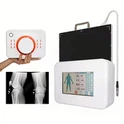
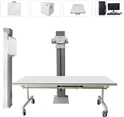
Imaging technologies such as X-rays, CT scanners, and ultrasound machines are often present in ORs to provide real-time visuals, assisting surgeons in making precise cuts and avoiding critical structures.
5. Maintaining Sterility and Safety in the OR
Sterility is non-negotiable in an operating room. Here's how to maintain it effectively:
Air Filtration: High-efficiency particulate air (HEPA) filters prevent airborne contaminants.
Laminar Airflow Systems: These systems create a continuous flow of clean air to push contaminants away from the surgical field.
Antimicrobial Surfaces: Utilizing materials that resist bacterial growth reduces the risk of infections.
Strict Cleaning Protocols: After each surgery, the OR is thoroughly cleaned and disinfected, including all equipment and surfaces.
6. Future Trends in Operating Room Design
The future of operating rooms is moving towards smart technology and integrated systems. This includes:
Robotic-assisted surgery: Enhances precision and reduces recovery time.
Augmented reality (AR): Offers real-time visuals and virtual overlays during operations.
AI-driven diagnostics: Assists in surgical planning and intraoperative decisions.
Conclusion
Setting up an operating room is a highly detailed process that requires careful attention to design, material choice, and equipment selection. From curved corners that prevent bacterial growth to advanced anesthesia machines that ensure patient safety, every aspect of an OR is designed with purpose. Maintaining sterility, choosing the right materials, and equipping the room with cutting-edge technology contribute to successful surgical outcomes and patient safety.
As technology advances, the design and setup of ORs will continue to evolve, promising safer, more efficient, and more precise surgical environments. Understanding these fundamentals is key for hospital administrators, surgeons, and medical staff involved in operating room management.