
Transforming Medical Imaging with Flat Panel Detectors: A Personal Journey
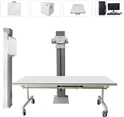
If you've ever peeked into the world of medical imaging, you might have noticed a quiet revolution brewing-and I'm talking about flat panel detectors! As someone who's spent years working with X-ray systems, I've watched these clever devices reshape how we see inside the body, especially with digital x-ray technology. They've brought a fresh spark to my work, and I'm eager to share what makes them so special from my own experience.
It all starts with the images-crisp and vivid, they make spotting issues a whole lot easier, something I've leaned on during busy shifts. Compared to the old film days, these detectors cut down wait times with faster processing, which feels like a lifeline when the clinic's packed. They're also light enough to carry around, perfect for moving between rooms or even remote sites, and they lower radiation exposure, keeping patients safer-a change I've noticed makes a big difference. As healthcare leans into digital solutions, flat panel detectors are leading the way, modernizing how we care for people in ways I never expected.

What Are Flat Panel Detectors, Really?
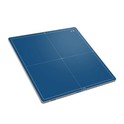
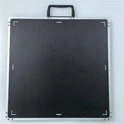
So, what's the story behind a flat panel detector? For me, it's the soul of digital radiography, turning X-ray beams into pictures with smart sensors. I still remember the thrill of swapping film for these-it was like stepping into a new era, no more hovering over developing trays! They come in two styles: direct and indirect conversion. Direct ones transform X-rays straight into electrical signals, which I've used to catch fine bone details fast. Indirect ones take a scenic route, converting X-rays to light first before digitizing, and though it's a bit more involved, I've found it works wonders for complex cases.
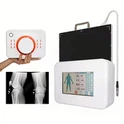
The best part? They deliver high-quality images, stay portable, and process data in a flash-tools I rely on every day. I've seen them shine in orthopedics and dental imaging, which is why more clinics are jumping on the digital train. Their versatility has even let me bring one to a rural clinic, and the reduced radiation keeps safety top of mind without skimping on results. It's a combo that leaves everyone-patients and staff-feeling good.
How They Work: Direct vs. Indirect Magic
These detectors are pretty clever, turning X-ray beams into usable images with a bit of tech wizardry. With direct conversion, X-rays hit photoconductive materials and spark electrical signals right away-something I've counted on for quick, sharp scans. Indirect conversion takes a detour, using a scintillator to turn X-rays into light, which photodiodes then convert into signals. It's a tad more complicated, but I've had great luck with it on varied patients.
Each method has its own flair-direct gives me crisper images, while indirect is easier on the wallet. The materials differ too, shaping how each system's built, and figuring that out helps me pick the right fit. Plus, they open up cool tricks like tomosynthesis, which I've tinkered with to see layered views-honestly, it's been a fun discovery!

Why They're a Game-Changer
Flat panel detectors have turned digital x-ray imaging upside down in the best way. The image quality stands out-higher resolution and contrast let me spot subtle issues, like a faint fracture, with ease. Speed's another win; the quick processing cuts patient wait times, and I can review images on the spot to make fast calls. It's been a relief during rush hours.
They also smooth out workflows. Images pop up instantly, which I've used to share findings with colleagues in real time-a lifesaver in busy settings. Their sensitivity cuts down on retakes, reducing motion blur and errors, and I've noticed it keeps things consistent. Being lightweight and portable, they're ideal for mobile units, and I've taken one to a remote village with success. Best of all, they lower radiation doses, boosting safety without losing quality-a balance I truly appreciate.

Seeing Clearly for Better Diagnoses
These detectors have raised the bar for image quality, and I've felt it in my work. Their sensitivity picks up the smallest details, which is a godsend for getting diagnoses right. I love how they reveal both soft tissues and dense bones with striking clarity-resolution and contrast that simplify my day.
Noise and artifacts? Hardly a concern thanks to the advanced tech, giving me cleaner images every time. In orthopedics and mammography, this precision has helped me catch early signs that shifted treatment plans for the better. It's all about staying ahead, and these tools make that possible.

Streamlining the Process
Flat panel detectors have shaken up how we handle imaging workflows, and I've seen the impact. They slash acquisition times, speeding up the whole process, which is a blessing on crowded days. Instant access to images lets me diagnose fast, and that quick decision-making keeps patients moving through care smoothly.
They pair nicely with PACS systems, making storage and sharing a snap-I've sent images to specialists in moments. Fewer retakes mean less hassle, and patients spend less time waiting, which always earns a nod of thanks. It's a boost to the whole experience, lightening the load on my team.

Safety First
Safety's a big deal with X-rays, and flat panel detectors have my back. They cut the radiation dose needed, which I've noticed eases patient worries. Their high sensitivity grabs clear images with less exposure, protecting both patients and staff-a win I cherish.
The lower risk of long-term radiation issues is a relief, and I always highlight this with my crew. Balancing top-notch quality with safety is what makes these detectors a standout, and I'm proud to offer that care.

Versatility Across the Board
These detectors are like a Swiss Army knife-versatile and ready for anything! I've used them across specialties, tweaking techniques to fit the need, from orthopedics to mammography. They nail bone imaging and breast tissue details, and dentistry gets a precision boost too.
Techniques like tomosynthesis let me slice through images for a deeper look, which has transformed my diagnoses. Whether it's a broken bone or a dental check, they deliver, improving outcomes across the board. Their adaptability keeps them at the heart of patient care.

Smart Investment and Green Benefits
Investing in flat panel detectors feels smart once the savings kick in. They need less upkeep than old systems, cutting my costs, and their longevity pays off over time. Ditching film and chemicals has slashed material expenses too-I've seen less waste piling up.
The faster patient turnover boosts revenue, something I've noticed in my practice. They're a green choice too, skipping chemical processing to reduce hazardous waste, which aligns with a cleaner healthcare push. It's a sustainable win that keeps operations smooth and data accessible.

The Future Looks Bright
The future of flat panel detectors has me buzzing! I'm thrilled about new materials boosting sensitivity-something I've tested with great results-and AI stepping in to flag issues faster. Compact designs could make them even handier, and I'm excited to see where this leads.
This evolution promises sharper diagnostics and efficiency gains, benefiting everyone involved. Having watched this tech grow, I'm eager for the next chapter-it's an adventure worth taking!
Conclusion: A New Imaging Era
Flat panel detectors have transformed medical imaging for me and my team, bringing quality, efficiency, and safety to the forefront of digital x-rays. As the field evolves, they'll only grow more vital, delivering insights that enhance patient care.