
Understanding Horse X-Ray Machines: A Guide
If you're involved in equine care-whether as a vet, a horse owner, or someone passionate about these majestic animals-horse x-ray machines are tools you'll want to get familiar with. They've become a cornerstone of modern equine health, helping us peek inside a horse's body to diagnose and treat all sorts of issues. Over the years, I've seen how these machines reveal the hidden stories of bones and joints, and I'm excited to walk you through what makes them so vital.
Why Horse X-Ray Machines Matter
Getting to grips with how these machines work is a game-changer for anyone in equine health. For me, as a vet, knowing the ins and outs has made a world of difference in treating my patients. It's not just for the pros-horse owners can benefit too, gaining insights that lead to better care and happier horses. The clarity they provide is something I've come to rely on daily.
The cost? Well, it can vary quite a bit. Factors like the tech features and brand play a big role. But trust me, the investment pays off with the diagnostic edge they give you. I've watched smaller practices thrive by adding one, proving it's worth every penny in the long run.
The Rise of Portable X-Ray Machines
Portable x-ray machines have honestly revolutionized how we care for horses. Being able to bring the scan to the stable or out in the field is a lifesaver-especially for those of us who've dealt with a limping horse at odd hours. I recall a late-night call where I used one to diagnose a sprain on the spot, saving a lot of worry. Their flexibility makes x-ray tech accessible even to smaller outfits, which is a huge win.
Safety First with X-Rays
Safety's non-negotiable when you're working with x-ray machines. Both the horse and the person handling it need protection, and I've learned that the hard way after a few close calls early on. Wearing lead aprons and keeping exposure time short are musts. Regular training keeps everyone sharp, and I make it a point to brush up my skills yearly. Proper upkeep of the equipment is just as key-neglect it, and you're asking for trouble.
What Is a Horse X-Ray Machine?
A horse x-ray machine is a specialized piece of gear tailored for veterinary use. It lets us capture images of a horse's insides-think bones, joints, and more-without invasive procedures. I've always been fascinated by how they're built to handle a horse's unique size and shape, far different from the standard vet x-rays I started with.
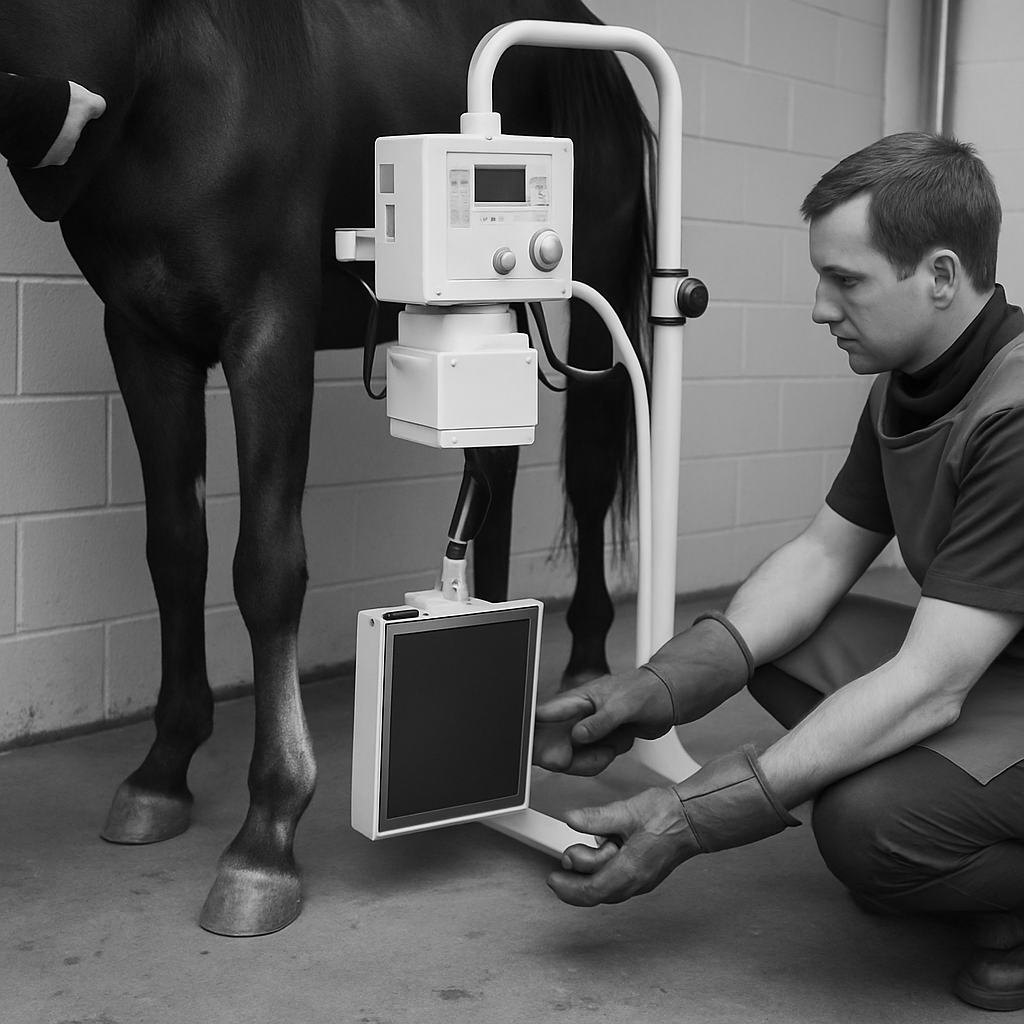
The setup includes a few key parts: the x-ray tube, the image receptor, and the control panel, all working in harmony to give us those clear shots. Technology's come a long way since I began-today's digital models process images instantly, which has sped up my diagnostics no end. It's like night and day compared to the old film days!
Why Are X-Rays a Big Deal in Equine Care?
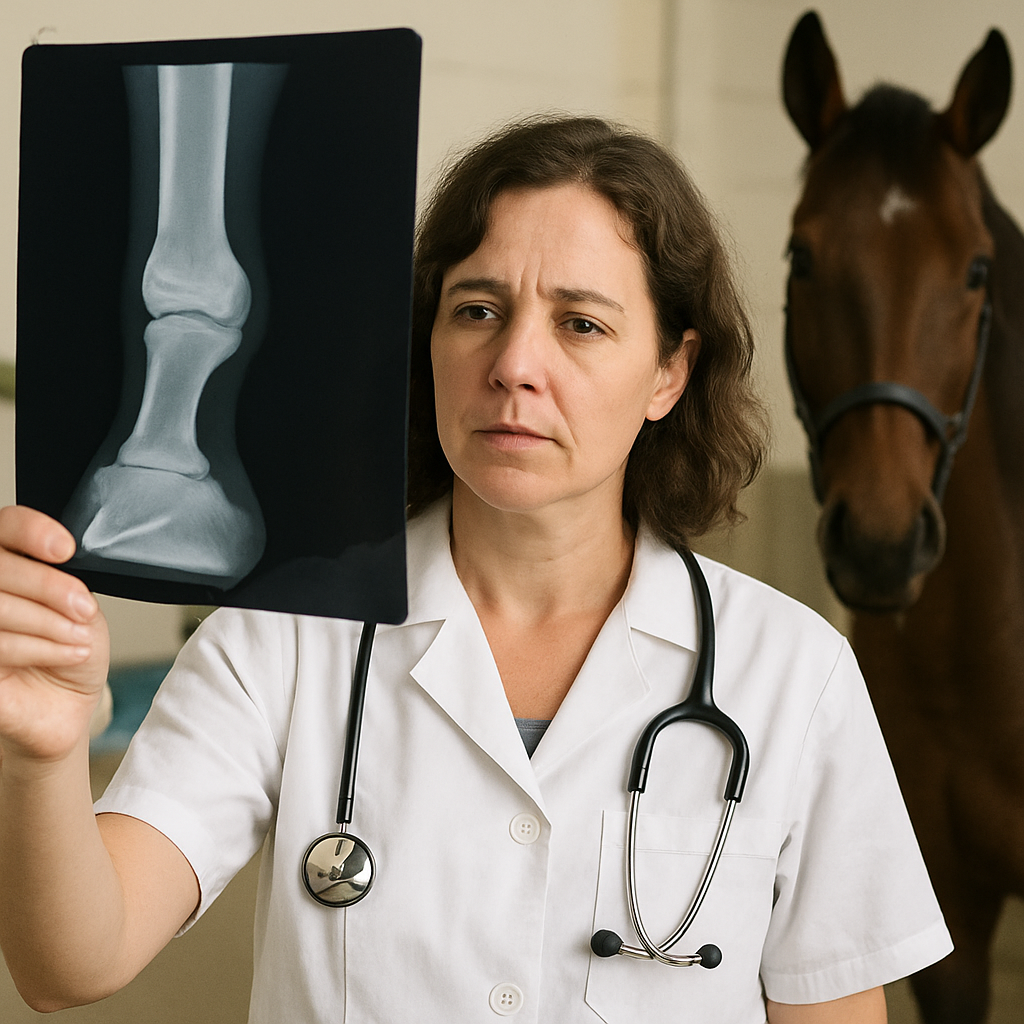
X-rays are like a superpower for equine care. They let us see what's going on inside without cutting open a horse-something I've relied on time and again. Whether it's spotting a fracture or tackling a joint issue, they're my go-to for nailing down a diagnosis fast.
They're great for catching things like hoof problems, fractures, or even dental concerns. I once used an x-ray to catch an early hoof issue that turned out to be laminitis-caught it just in time to save the horse's mobility. Regular check-ups with these tools can spot trouble before it worsens, which is a huge boost for long-term horse health. They're honestly indispensable.
Veterinarian reviewing horse x-ray results
Types of Horse X-Ray Machines
There's a variety of horse x-ray machines out there, each suiting different needs. I've experimented with a few over the years, and the choice really depends on your setup. Portable ones are my favorite for their flexibility-perfect for those emergency farm visits. I've hauled one out to a remote stable and diagnosed a leg injury on the fly.
Then there's the digital x-ray machine, which I adore for its instant results. Storing images electronically makes sharing with colleagues a breeze. You've also got fixed units for bigger clinics. Each has its quirks-portability for some, image quality for others-but they all get the job done with the right know-how.

How Horse X-Ray Machines Work
These machines work by sending a controlled x-ray beam through the horse. Denser bits like bones soak up more rays, leaving a detailed picture on a digital sensor. I've spent hours positioning horses just right-getting that angle perfect is an art! Then it's a matter of tweaking the settings and reviewing the results.
The process feels like a dance: position the horse, adjust the machine, and capture the image. Understanding this flow has made me more confident in using them across all sorts of cases. It's all about getting it right for the best diagnosis.

Common Uses: From Hoof to Head
Horse x-ray machines are incredibly versatile. I've used them everywhere from hooves to heads, checking bone health and spotting injuries. Hoof issues like laminitis are a big one-those x-rays have guided my treatment plans more times than I can count.
They're also spot-on for limbs and joints, catching fractures or arthritis early. I once x-rayed a horse's skull to check its teeth, and it revealed a hidden problem we fixed right away. From hooves to heads, these tools give me a full picture to keep horses thriving.
X-ray technology provides comprehensive insights for horse care, ensuring better health outcomes.

Horse X-Ray Machine Cost: What to Expect
Diving into the cost of a horse x-ray machine takes some thought. Prices swing depending on the bells and whistles-portable ones are easier on the wallet, while digital systems can stretch your budget. I started with a basic portable model and upgraded as my practice grew.
Don't forget maintenance and calibration-they keep the machine reliable. For me, the upfront cost faded into the background once I saw how much time and effort it saved. It's an investment that pays off with better care.
Horse x-ray machine in use at a veterinary clinic by Mufid Majnun
Safety and Best Practices in Veterinary X-Ray
Safety's always my top priority with x-rays. I've learned to gear up with lead aprons and thyroid shields-those early days without them taught me a lesson! Keeping exposure short and training fresh are non-negotiable. I make sure my team and I stay on top of it with regular practice.
Maintenance is just as important- a well-kept machine is a safe one. Following these steps keeps everyone-horse and human-protected while we work.
Veterinarian using protective gear during x-ray by Risto Kokkonen
Choosing the Right X-Ray Machine for Your Practice
Picking the perfect x-ray machine is all about your practice's vibe. I've weighed portability against image quality, balancing it with my budget. Chatting with fellow vets helped me narrow it down-their experiences guided my choice.
Think about the cases you'll see and the tech you need. A portable unit might suit a mobile vet like me, while a digital one could be ideal for a busy clinic. It's about finding what clicks for you and your clients.
The Future of Equine X-Ray Technology
The future's looking bright for equine x-ray tech. I'm excited about trends like AI stepping in to analyze images faster- it's already helping me spot details I might miss. Things like 3D imaging and cloud storage are becoming common, giving us richer insights and easier access.
These advancements are set to lift equine care to new levels. As I see it, the next few years will bring even quicker, sharper diagnostics-can't wait to see where it takes us!
e to new heights. As technology progresses, we'll see further improvements in both diagnostic speed and accuracy.
Conclusion
In conclusion, horse x-ray machines are indispensable in equine veterinary care. They provide crucial insights into a horse's health, from diagnosing issues to monitoring recovery.
Choosing the right machine enhances practice efficiency and care quality. Invest in technology that meets your practice's specific needs.