
Key Considerations for Establishing a Radiology Department: Focus on Radiology Equipment and Operational Readiness
In today's healthcare environment, radiology is not just a supporting department-it's a strategic asset. As diagnostic imaging continues to evolve, hospitals must approach the setup of radiology departments with a balance of clinical insight, operational planning, and technological foresight. One of the most critical components of this process is the selection and integration of radiology equipment, which serves as the foundation for diagnostic precision and clinical efficiency.
Below is a structured guide for healthcare administrators, facility planners, and procurement teams tasked with developing or upgrading a hospital's radiology capabilities.

1. Strategic Equipment Planning
Selecting appropriate radiology equipment is a high-impact decision that affects patient care, departmental throughput, and long-term financial performance. The choice of imaging modalities should align with the hospital's case mix, patient volume, and service line strategy.
Common modalities include:
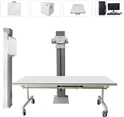
Digital Radiography (DR) systems for general imaging
CT scanners for cross-sectional imaging and trauma diagnostics
MRI systems for neurological and musculoskeletal assessments
Ultrasound units for soft-tissue and vascular evaluations
Interventional suites for image-guided procedures
When evaluating vendors, consider image quality, software capabilities, uptime reliability, and long-term support. Modular platforms and upgradable systems are also preferred for future scalability.
2. Facility Design and Safety Compliance
Radiology equipment must be installed in spaces that meet regulatory and safety requirements. Proper planning ensures the longevity of the equipment and the safety of patients and staff.
Key considerations include:
Radiation shielding (lead-lined walls, door interlocks)
HVAC and cooling systems for high-powered modalities like CT and MRI
Weight-bearing floor specifications for large imaging systems
Acoustic shielding and vibration isolation, especially for MRI rooms
Dedicated clean/dirty workflows to support infection control protocols
These infrastructure elements should be addressed early in the project lifecycle to prevent costly retrofits.

3. Digital Infrastructure: PACS, RIS, and Integration
Radiology departments today are fully digital environments. Seamless integration of imaging systems with IT infrastructure is essential for operational efficiency.
PACS (Picture Archiving and Communication System) enables digital image storage, retrieval, and distribution.
RIS (Radiology Information System) manages scheduling, exam tracking, and reporting workflows.
Interoperability with HIS (Hospital Information System) ensures consistent patient data across departments.
Cloud-based or hybrid PACS models are gaining popularity for enabling remote reads, faster disaster recovery, and reduced on-premise infrastructure costs.
4. Workflow Optimization and Staffing Alignment
Operational effectiveness in radiology hinges on more than just equipment-it requires a deliberate approach to workflow design.
Hospitals should:
Optimize patient scheduling by modality and urgency
Minimize patient wait times through effective queue management
Allocate radiologists based on subspecialty expertise (e.g., neuroradiology, body imaging)
Incorporate real-time dashboards to monitor equipment utilization and turnaround times
Incorporating these practices reduces bottlenecks and improves both patient satisfaction and departmental performance metrics.

5. Financial Sustainability and ROI
Radiology represents a significant capital investment. Beyond acquisition, ongoing costs such as service contracts, software licenses, and periodic upgrades must be factored into the financial model.
To ensure return on investment:
Monitor modality utilization rates and downtime
Consider leasing options for short-term flexibility
Use data analytics to evaluate cost-per-study and optimize asset allocation
Strategic planning should also account for reimbursement changes and evolving clinical guidelines, both of which impact long-term revenue cycles.
6. Advanced Capabilities: Teleradiology and AI Integration
Modern radiology departments must be future-ready. Two areas of growth-teleradiology and AI-are reshaping how imaging services are delivered.
Teleradiology extends access to off-site radiologists and supports 24/7 interpretation coverage.
AI-powered tools are increasingly used to detect anomalies, prioritize urgent cases, and assist with image reconstruction.
Investing in platforms that support these technologies not only enhances diagnostic speed and accuracy but also helps mitigate radiologist shortages in high-demand areas.

7. Special Use Cases: Pediatrics, Interventional Radiology, Emergency Imaging
Certain departments require specialized equipment and workflows:
Pediatric imaging demands equipment with reduced radiation doses and child-friendly environments.
Interventional radiology (IR) suites must meet surgical cleanliness standards and support advanced imaging guidance.
Emergency radiology services should be designed for rapid access, minimal setup time, and high durability.
These use cases should be addressed explicitly in the department's design blueprint to avoid workflow disruption later.
Conclusion
A well-designed radiology department is more than just a collection of imaging devices. It's an integrated ecosystem where equipment, infrastructure, technology, and clinical operations must align.
By approaching radiology setup strategically-with clear goals, appropriate equipment, and a strong IT backbone-hospitals can significantly enhance diagnostic capability, operational performance, and ultimately, patient care.
Whether building from scratch or modernizing an existing unit, the success of a radiology department lies in the details-and getting the radiology equipment decision right is the place to start.